Preparedness, Not Panic: Why Schools and Community Spaces Must Stay Vigilant in 2026
Across the United States, communities continue to confront difficult questions about safety. Recent events — including the tragic shooting in Austin, Texas this past weekend — remind us that violence can occur in places people once considered safe gathering spaces.
While investigations are still ongoing, the incident serves as a sobering reminder of a broader reality: preparedness matters.
Schools, universities, houses of worship, and government facilities are spaces where people gather every day. Protecting these environments requires thoughtful planning, responsible leadership, and layered security strategies that support safety without disrupting the mission of the institution.
The Reality of Modern Security Risks
Public safety experts increasingly recognize that threats can emerge in many different ways. These incidents are often unpredictable and can unfold quickly, leaving very little time for reaction.
Some of the risks communities must consider today include:
Lone-actor violence
Targeted attacks on crowded public spaces
Opportunistic mass violence
Ideologically motivated incidents
Events like the recent tragedy in Austin reinforce why communities must take preparedness seriously. While no single solution can prevent every incident, planning ahead can dramatically improve response and protection.
Schools and Community Institutions Face Unique Challenges
Educational campuses and community institutions operate in environments designed to be welcoming and accessible. Classrooms, auditoriums, libraries, and gathering spaces bring together large groups of people every day.
These environments present unique security challenges:
Large populations in one location
Open spaces designed for collaboration and learning
Limited time to react during emergencies
Because of these realities, many safety professionals emphasize the importance of a layered security approach.
Layered safety strategies often include:
Emergency preparedness training for staff
Strong communication protocols
Partnerships with local law enforcement
Access control at building entry points
Physical protective barriers where appropriate
When multiple layers of protection are in place, institutions gain valuable time to respond to emergencies and protect those inside.
Physical Protection That Doesn’t Disrupt Learning
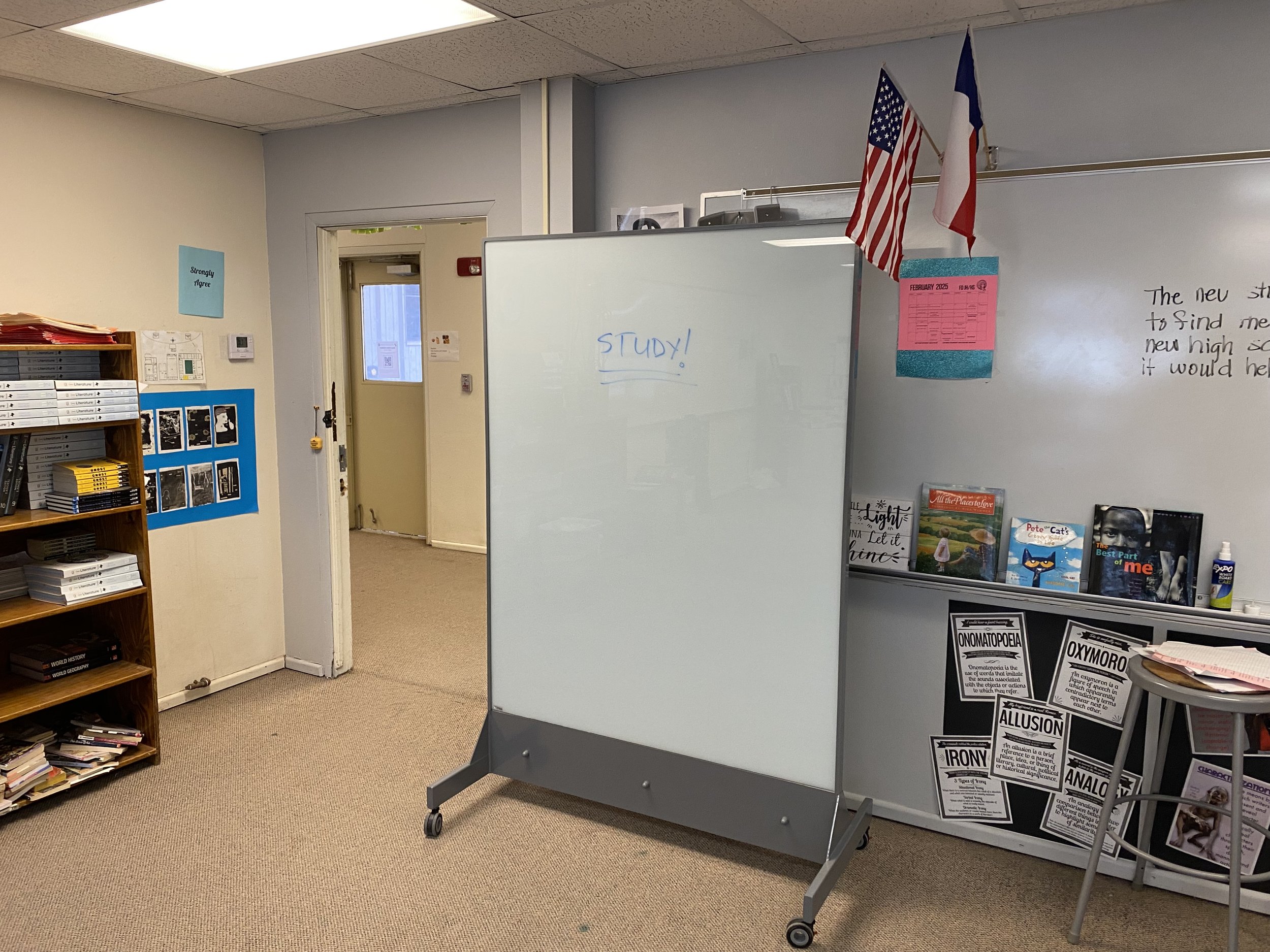
The TAG Mobile™ bulletproof whiteboard combines everyday classroom functionality with discreet ballistic protection, allowing schools to strengthen safety without disrupting learning.
Historically, many security solutions introduced into schools were highly visible or intimidating. In some cases, they created environments that felt more like secure facilities than places of learning.
Today, school leaders and architects are prioritizing discreet safety solutions that integrate naturally into everyday spaces.
Examples include:
Ballistic-rated glass for entry vestibules
Protective barriers integrated into architectural design
Multi-purpose safety tools that serve everyday functions
One example is the TAG Mobile™ ballistic whiteboard, which functions as a daily classroom teaching surface while also providing protective capability in an emergency situation.
By combining safety and functionality, schools can strengthen preparedness while maintaining environments that remain focused on learning and collaboration.
Vigilance Starts with Leadership
Many of the most proactive school safety initiatives begin with leaders who understand that preparation is a responsibility shared across the entire community.
Superintendents, school boards, safety directors, architects, and law enforcement partners all play an important role in building environments that are both welcoming and secure.
Preparedness is not about creating fear.
It is about creating confidence that systems are in place should they ever be needed.
When leadership prioritizes thoughtful planning and responsible protection strategies, entire communities benefit.
Moving Forward: Safety Without Sacrificing Community
Schools, universities, houses of worship, and public institutions exist to bring people together. Protecting those spaces requires a careful balance between openness and preparedness.
While we cannot predict every threat, we can build systems that improve safety, response time, and resilience.
Through thoughtful planning, layered security strategies, and responsible leadership, communities can create environments that remain welcoming — while also being prepared for the unexpected.
Ready to Strengthen Campus Safety?
Titan Armored works with schools, universities, and community institutions across the country to implement layered security solutions designed for real-world environments.
If your district or organization is evaluating ways to strengthen safety while maintaining everyday usability, our team would be glad to help.