Ballistic Glass vs Security Window Film: What Schools Need to Know
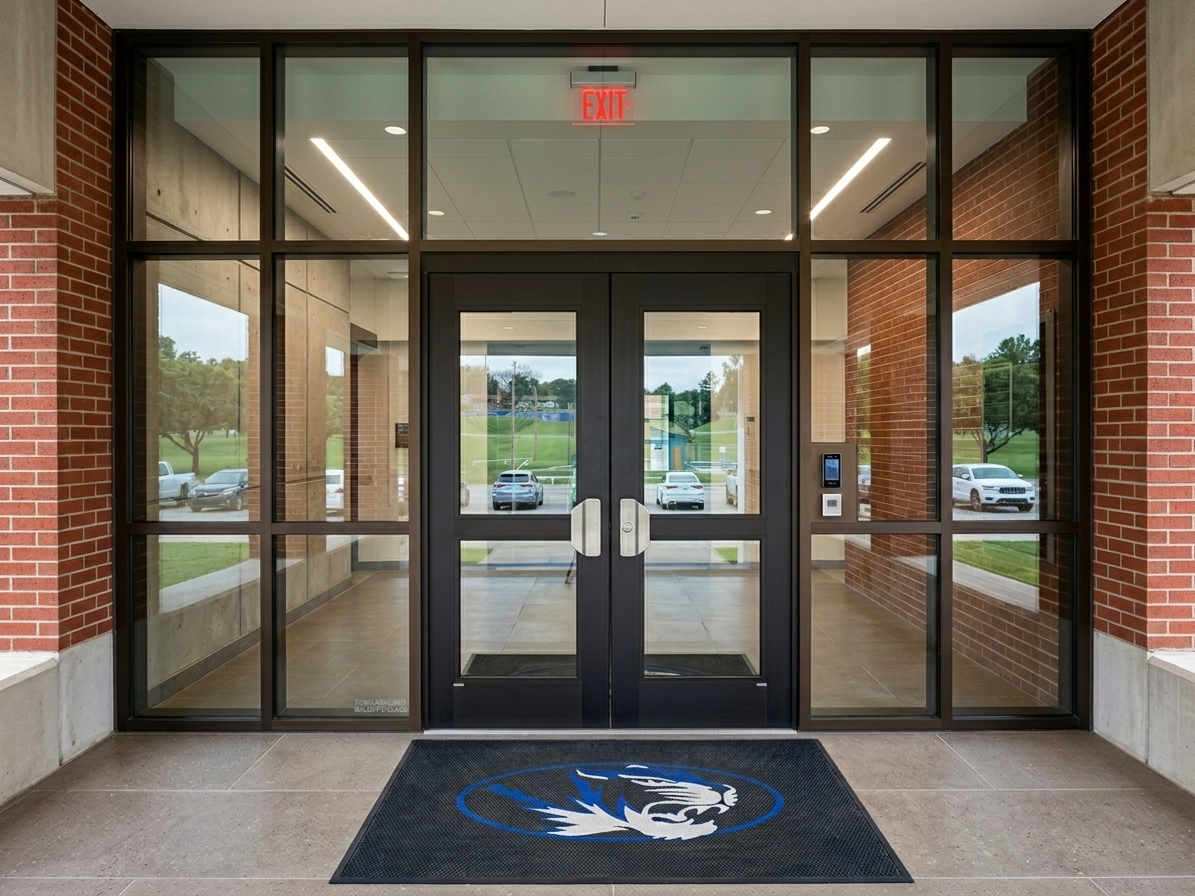
Modern ballistic glass systems help schools, businesses, healthcare facilities, and government buildings strengthen vulnerable entry points while preserving visibility, natural light, and welcoming architectural design.
Across the United States, organizations are re-evaluating how they protect entrances, classrooms, offices, reception areas, and other vulnerable spaces. One of the most common questions facility planners, architects, and security professionals ask is:
Should we install security window film, or invest in ballistic glass?
Both solutions play a role in modern physical security—but they serve very different purposes. Understanding those differences is critical when building a layered, effective protection strategy.
Organizations evaluating ballistic glass often compare it with security window film as a more affordable alternative. Understanding the differences in performance, testing, and long-term protection is essential when selecting the right solution for schools, businesses, healthcare facilities, government buildings, and houses of worship.
What Security Window Film Does
Security window film is a transparent polyester layer applied to existing glass surfaces. Its primary purpose is to:
• Hold shattered glass together upon impact
• Delay forced entry attempts
• Reduce injury from flying glass fragments
This can be beneficial in situations involving break-ins, accidents, or storm damage.
However, it’s important to understand:
Security window film does not make glass bullet resistant.
It is designed to delay and contain, not stop ballistic threats.
What Ballistic Glass Is Designed To Do
Ballistic glass is engineered specifically to provide protection against firearm threats. Unlike security window film, ballistic glass is manufactured using multiple layers of specialized glass and ballistic materials designed to absorb and disperse ballistic energy.
Modern Ballistic Glass Systems are commonly incorporated into:
• Secure school vestibules
• Front offices and reception areas
• Administrative offices
• Transaction windows
• Corporate conference rooms
• Healthcare facilities
• Government buildings
• Interior security partitions
These systems are tested to recognized ballistic standards, including UL 752, to help organizations select the appropriate level of protection for their specific application.
Learn more about Titan Armored's Ballistic Glass Systems and how they are being integrated into educational, healthcare, government, corporate, and community facilities.
Why Many Schools Start With Window Film
Security window film is often considered a first step because:
• It has a lower upfront cost
• It can be applied to existing windows
• Installation is relatively fast
For districts managing tight budgets, film can appear to be an attractive solution.
However, safety professionals increasingly emphasize that film should be viewed as:
One layer in a broader security plan — not a standalone solution.
Why Organizations Are Choosing Ballistic Glass Over Security Window Film
Security window film can improve glass retention after impact, but it does not transform standard annealed glass into true bullet-resistant glazing.
Organizations responsible for protecting students, employees, patients, and visitors increasingly require tested ballistic protection capable of resisting firearm threats while maintaining visibility and natural light.
Modern ballistic glass systems are commonly specified for:
• Secure vestibules
• Reception areas
• Administrative offices
• Transaction windows
• Conference rooms
• School entrances
• Government facilities
• Healthcare environments
When integrated into a layered security strategy, ballistic glass can help delay unauthorized entry while protecting occupants and supporting everyday operations.
The Role of Layered Security
Modern physical security is no longer built around a single product.
Instead, schools, businesses, healthcare facilities, government buildings, and houses of worship increasingly rely on a layered security strategy that combines multiple protective elements working together.
These layers may include:
• Secure vestibules and controlled entry points
• Ballistic glass systems
• Bullet-resistant wall panels
• Mobile ballistic protection
• Access control systems
• Emergency communications
• Staff training and emergency planning
As discussed in Layered School Safety: The Strategy That Actually Saves Lives, each layer is designed to delay threats, improve response time, and better protect occupants during an emergency.
Physical Protection That Supports Everyday Operations
Modern ballistic protection solutions are designed to integrate seamlessly into schools, corporate offices, healthcare facilities, government buildings, and houses of worship while supporting everyday functionality.
Examples include:
• TAG Mobile™ Bulletproof Whiteboards that provide daily collaboration while remaining immediately accessible.
• Titan WallShield™ Bullet-Resistant Wall Panels that reinforce walls while serving as functional dry-erase collaboration surfaces.
• Ballistic Glass Systems that strengthen vulnerable openings while preserving visibility and natural light.
Rather than relying on a single product, these complementary solutions help organizations build integrated protection strategies that support both preparedness and everyday operations.
Where Ballistic Protection Fits Throughout a Facility
While ballistic glass often strengthens entry points, organizations increasingly extend ballistic protection throughout the building as part of a comprehensive security strategy.
Common applications include:
• Secure vestibules
• Reception and administrative offices
• Conference rooms
• Classrooms
• Hallways
• Healthcare facilities
• Government buildings
• Corporate collaboration spaces
• Houses of worship
Many organizations combine Ballistic Glass Systems, Titan WallShield™ Bullet-Resistant Wall Panels, and TAG Mobile™ Bulletproof Whiteboards to create multiple layers of protection that remain functional every day.
Ballistic Glass vs Window Film: Key Takeaways
Security Window Film
• Helps delay forced entry
• Holds shattered glass together
• Does not stop bullets
Ballistic Glass
• Designed to stop or slow ballistic threats
• Tested to recognized standards (UL 752)
• Provides critical protection in high-risk areas
Both can play a role — but they are not interchangeable.
Planning the Right Ballistic Protection Strategy
Every facility has unique security objectives, building layouts, and operational requirements.
Whether you're evaluating secure vestibules, ballistic glass, bullet-resistant wall panels, mobile protection, or safe room strategies, the most effective solutions are those that integrate seamlessly into everyday operations while supporting long-term preparedness.
Explore Ballistic Glass Systems
Explore Titan WallShield™ Bullet-Resistant Wall Panels
Explore TAG Mobile™ Bulletproof Whiteboards
Conclusion: Moving From Perception to Real Protection
As school safety continues to evolve, it’s important for decision-makers to understand the capabilities — and limitations — of the tools they choose.
Security window film can play an important role in delaying forced entry and helping retain shattered glass after impact. However, organizations seeking tested protection against firearm threats should evaluate ballistic glass systems specifically engineered for that purpose. The most effective security strategies combine ballistic glass, bullet-resistant wall panels, mobile protection, and other complementary measures into a layered approach that supports both everyday operations and long-term preparedness.
Explore Additional Ballistic Protection Resources
What Is a Bulletproof Whiteboard? The Complete Guide
What Is a Bulletproof Wall Panel? The Complete Guide