Designing Security: How Architects Integrate Ballistic Glass, Bullet-Resistant Wall Panels, and Mobile Protection into Modern Interiors
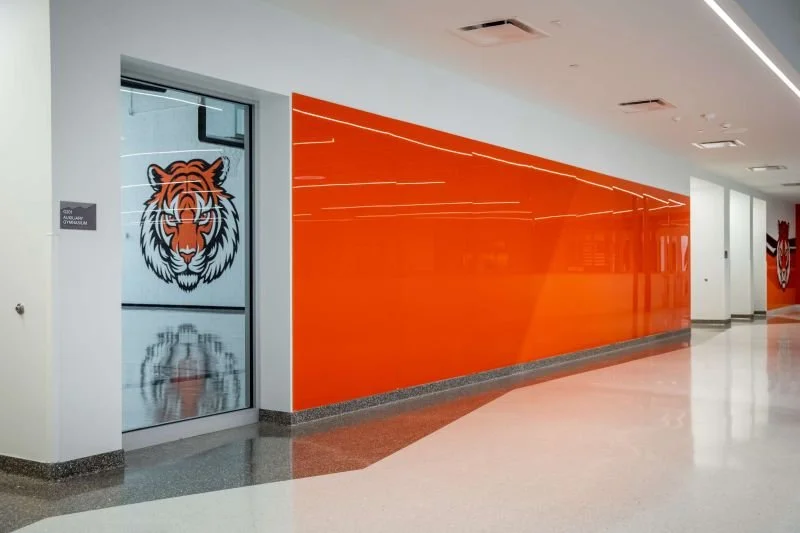
Titan WallShield™ bullet-resistant wall panels demonstrate how architects and designers can integrate ballistic protection into educational environments without sacrificing aesthetics, branding, or functionality.
Today's architects, interior designers, and facility planners face a challenge that barely existed a decade ago:
How do you integrate meaningful security into modern environments without sacrificing aesthetics, functionality, collaboration, or occupant experience?
Across schools, universities, healthcare facilities, government buildings, houses of worship, and corporate offices, security can no longer be an afterthought. Yet the most successful projects avoid creating spaces that feel institutional, defensive, or intimidating.
Instead, architects are increasingly seeking solutions that blend seamlessly into the built environment while contributing to broader safety and preparedness objectives.
This is where ballistic glass, bullet-resistant wall panels, and mobile protection systems are changing the conversation.
The New Standard: Security That Looks Like Design
Physical protection no longer belongs only in government buildings or banks. Today, it must be integrated into:
K–12 classrooms and entryways
Corporate offices & open-plan workspaces
University lecture halls & study areas
Hospitals, clinics, and behavioral health environments
Houses of worship & community centers
But gone are the days of visible fortification. The modern approach involves three principles:
1. Blend — Don’t Signal
The most effective security barriers are the ones no one notices.
2. Use Every Day — Not Just During Emergencies
ROI matters. A barrier that doubles as a teaching, planning, or collaboration tool is more valuable than one locked away.
3. Layered Integration
No single product solves everything. Mobile ballistic barriers, bullet-resistant glass, and space division panels work together to create safer environments.
This is exactly why Titan Armored’s product line stands apart — every solution is engineered for daily function and instant defense.
Architects Are Being Asked to Solve New Challenges
Today's architects, designers, and facility planners are increasingly being asked to balance aesthetics, collaboration, wellness, accessibility, and safety within the same environment.
This has led to growing interest in integrated ballistic protection systems that support daily functionality while contributing to broader preparedness objectives.
As discussed in What Is a Bulletproof Wall Panel? The Complete Guide for Schools, Businesses, and Government Facilities, modern ballistic protection solutions no longer need to be hidden behind walls or isolated from the learning environment.
Instead, they can become part of the design itself.
Ballistic Glass in Modern Interiors: Safety Without Sacrificing Light
Bullet-resistant glazing is one of the most important tools for creating safer buildings — and one of the easiest to integrate aesthetically.
How Designers Use Ballistic Glass:
Secure Vestibules & Entry Doors – slows intruders while maintaining visibility
Reception Windows & Administrative Areas – protects staff without blocking communication
Exterior Classroom Windows – preserves natural light while adding true ballistic protection
Corporate Offices & Glass Walls – creates open, bright designs while providing real security
UL 752 ballistic glass, offered by Titan Armored Systems in multiple protection levels, helps buildings remain open, welcoming, and secure without compromising aesthetics. Learn more about Titan Armored's Ballistic Glass Systems, including ballistic storefronts, secure vestibules, transaction windows, curtain wall systems, and custom architectural glazing solutions designed for schools, healthcare facilities, government buildings, and corporate environments.
Mobile Barriers: Why Designers Love the TAG Mobile™
While ballistic glass is fixed, mobile barriers allow environments to shift instantly. And today’s spaces demand flexibility.
The TAG Mobile™ is widely used by designers because it serves four roles simultaneously:
1. A Magnetic Dry-Erase WHITEboard
Perfect for classrooms, workspaces, meetings, collaboration, and signage.
2. A Tackable Acoustic Panel
Reduces sound and brings functionality to libraries, offices, and open-plan spaces.
3. A Movable Space Divider
Helps shape learning zones, team areas, study pods, and temporary collaboration spaces — no construction required.
4. A UL 752 Level 8 and NIJ STD 0101.07 Level III+ Ballistic Protection System
This is the hidden advantage: the TAG Mobile™ offers full-body protection, instantly deployable in an emergency.
Designers specify it because it looks like furniture.
Administrators choose it because it functions like security.
Bullet-Resistant Wall Panels: Seamless Integration into Architecture
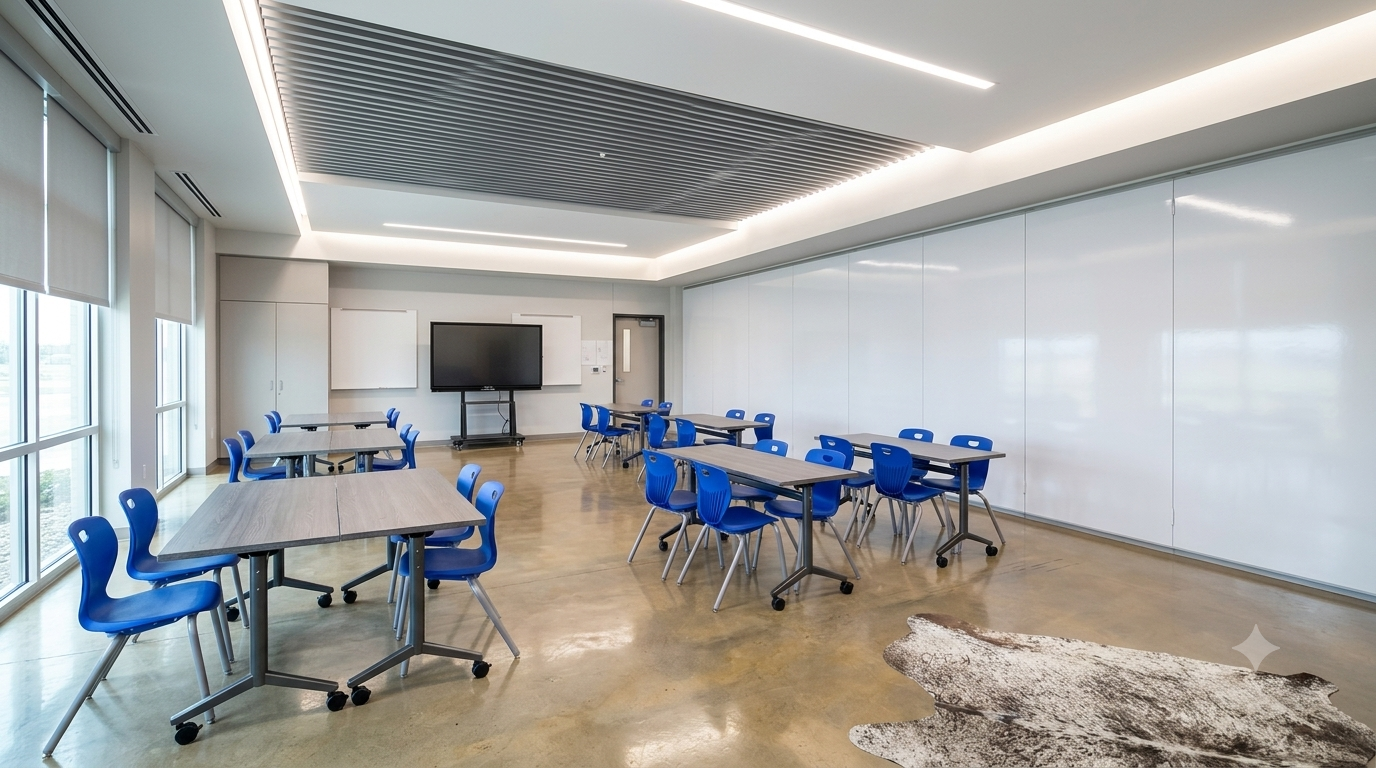
Titan WallShield™ transforms classroom walls into functional dry-erase collaboration surfaces while providing permanent ballistic protection.
Unlike traditional ballistic wall systems installed behind drywall, modern solutions such as Titan WallShield™ combine dry-erase functionality with permanent ballistic protection. This dual-use approach allows architects and designers to incorporate protection directly into schools, universities, healthcare facilities, government buildings, corporate offices, and houses of worship without sacrificing aesthetics or functionality.
As discussed in What Is a Bulletproof Whiteboard? The Complete Guide for Schools, Businesses, and Government Facilities, organizations increasingly seek security investments that provide everyday value in addition to emergency preparedness.
Titan Armored’s ballistic wall solutions allow designers to reinforce:
Classroom walls and teaching surfaces
Nurse stations and corridors in hospitals
Executive offices and conference rooms
Church classrooms and administrative spaces
Available in:
Dry-erase writable surface
Tackable acoustic finishes
Custom printed artwork or branding
Color-matched designs
These panels turn walls into multi-functional safety assets without anyone knowing.
When incorporated into broader security planning, bullet-resistant wall panels can also help create designated protected areas and safe rooms while maintaining the appearance and functionality of modern educational, healthcare, corporate, government, and community environments.
Why Multi-Use Security Matters for Designers & Owners
Most security products are single-purpose — expensive, but rarely used.
As discussed in Layered School Safety: The Strategy That Actually Saves Lives, the most effective security strategies combine multiple layers of protection rather than relying on a single solution.
Titan Armored builds solutions that offer:
Daily Utility
Writable surfaces, space division, sound absorption
Aesthetic Integration
Clean lines, modern materials, custom colors
Discreet Protection
No tactical look, no disruption
Real Ballistic Performance
UL 752 Levels 1–8, NIJ ratings, HB33 compliance
True ROI
Safety + function = investment that works 365 days a year
This makes Titan Armored products ideal for architects, ID firms, FF&E dealers, and facility planners selecting next-generation interior solutions.
How to Choose the Right Physical Barrier for Design Projects
When reviewing products, professionals should consider:
What UL 752 or NIJ level is required?
Does the barrier offer multi-use daily value?
Will it blend into the interior design?
Can it be moved, repositioned, or modularized?
Is there a manufacturer warranty?
Does it support a layered safety plan?
Architects and facility planners evaluating multiple options may also benefit from reviewing Ballistic Glass vs. Ballistic Panels vs. Mobile Protection to better understand how each solution contributes to a comprehensive security strategy.
If the answer is yes — it’s a strong candidate for today’s built environments.
In many projects, the most effective approach combines ballistic glass systems, bullet-resistant wall panels, and mobile ballistic protection into a layered security strategy that preserves architectural design while enhancing occupant safety. By selecting complementary solutions rather than relying on a single product, architects and facility planners can create environments that remain functional, collaborative, and prepared for a wide range of security challenges.
Designing Safer Spaces Starts Early
The most successful projects incorporate safety considerations early in the planning and design process.
Whether you're designing a new educational facility, healthcare environment, government building, corporate office, or house of worship, integrated ballistic protection solutions can help support both everyday functionality and long-term preparedness goals.
To learn more about Titan WallShield™ Bullet-Resistant Wall Panels, TAG Mobile™ Bulletproof Whiteboards, Ballistic Glass Systems, and Titan Armored's integrated ballistic protection solutions, explore the resources below or schedule a consultation with our team.