Can You Make Existing Windows Bulletproof Without Replacing Them?
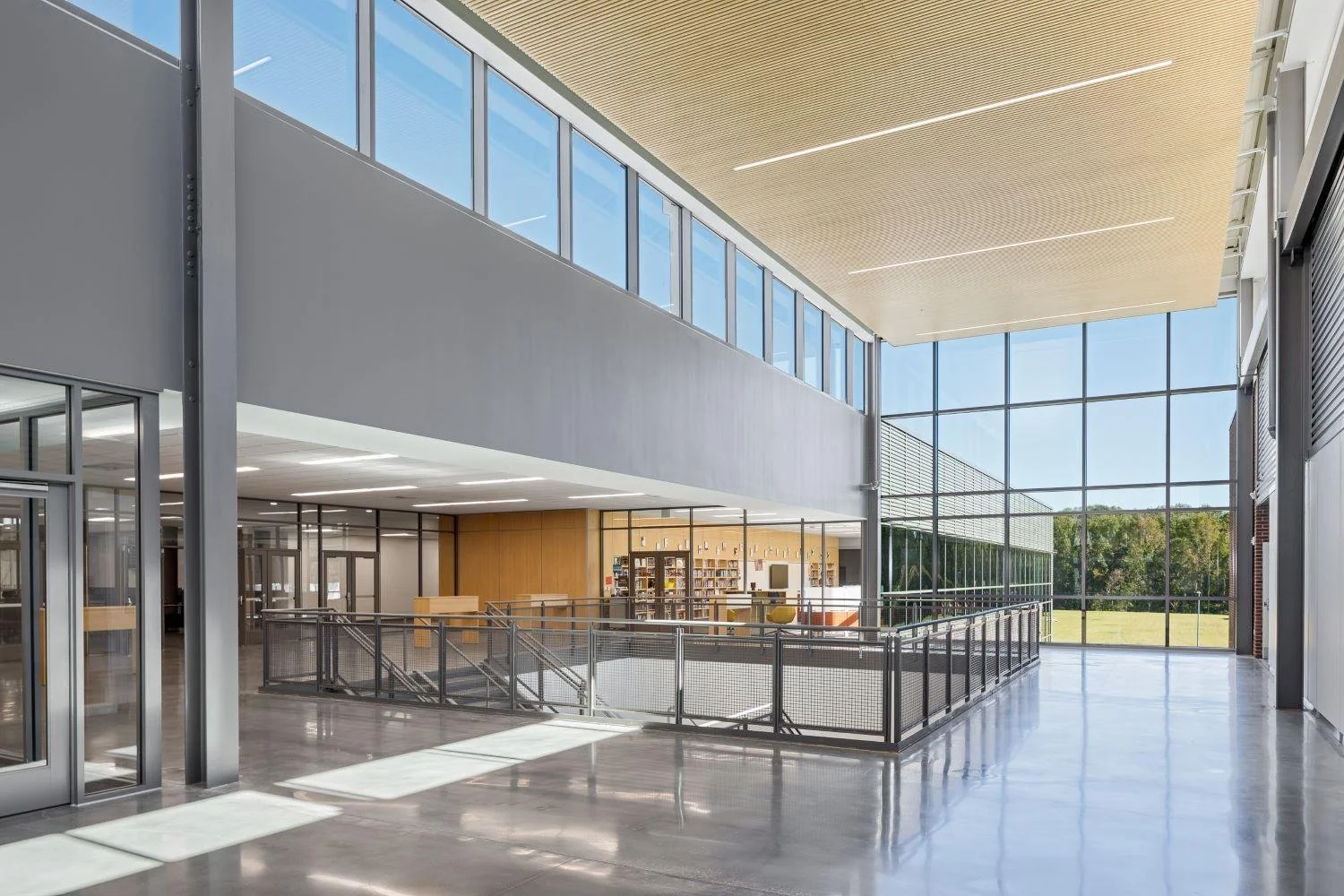
Existing windows don't always need to be replaced to improve building security. Custom-engineered ballistic glass retrofit systems can add a protective layer behind existing glazing while preserving architectural appearance.
Can you make an existing building's windows bullet-resistant without tearing them out and starting over?
In many cases, yes. Existing windows can sometimes be upgraded with ballistic glass or a separately engineered protective glazing system installed behind the original windows. However, the right solution depends on the building's construction, existing window frames, structural conditions, and required level of protection.
For schools, corporate offices, houses of worship, government facilities, and other occupied buildings, this distinction can be significant.
Replacing every existing window may not be necessary to introduce meaningful security improvements. In certain applications, a custom ballistic glass retrofit can add protection while preserving the building's exterior appearance and much of its existing architecture.
This guide explains how bullet-resistant window retrofits work, when existing windows can remain in place, what factors determine feasibility, and how protective glazing systems can be integrated into existing buildings.
Can Existing Windows Be Upgraded With Bulletproof Glass?
Yes. Depending on the building and its security requirements, there are several ways to upgrade existing windows with bullet-resistant protection.
One approach involves removing the original glazing and installing ballistic glass with compatible protective framing.
Another involves replacing the entire window assembly with a new bullet-resistant system.
A third option is to install a secondary protective glazing system behind the existing windows, creating an additional protective barrier without necessarily removing the original exterior glazing.
This third approach can be particularly useful for existing buildings where preserving architectural appearance, limiting construction disruption, or maintaining exterior window systems is a priority.
However, not every building is suitable for this type of installation.
A successful retrofit requires evaluating more than the glass itself. Protective framing, structural attachment, surrounding construction, available space, and the intended threat level must all be considered.
Three Ways to Upgrade Existing Windows With Ballistic Protection
1. Replace the Existing Glass With Bullet-Resistant Glazing
One possible approach is to remove the original glass and install bullet-resistant glazing.
While this may sound straightforward, ballistic glass is often substantially thicker and heavier than conventional architectural glass.
Existing window frames may not have sufficient capacity, depth, or glazing retention to accommodate the new material.
Even if a ballistic glass panel physically fits into an existing frame, that does not establish that the complete window assembly provides the same ballistic protection.
The framing and installation must be evaluated as part of the protective system.
2. Replace the Entire Window With a Ballistic Window System
In some applications, the appropriate solution is to remove the existing window and install a complete bullet-resistant assembly.
This approach may include new ballistic glazing, protective framing, structural reinforcement, anchoring, and related architectural modifications.
Complete replacement may be necessary when existing frames cannot support the required glazing or when the building's configuration makes secondary protection impractical.
It may also be appropriate during new construction, major renovations, or projects where exterior windows are already scheduled for replacement.
3. Install Secondary Ballistic Glazing Behind Existing Windows
An alternative is to install a separately engineered protective window system on the interior side of the existing glazing.
Often described as secondary ballistic glazing or ballistic backglazing, this approach creates an additional protective barrier behind the original window.
The existing exterior glazing may remain in place while the interior protective system provides the specified resistance to forced entry or ballistic threats.
Potential advantages include preserving exterior architectural features, avoiding unnecessary replacement of serviceable windows, and allowing security upgrades to be tailored to individual openings.
The actual performance depends on the tested protective materials, framing, supporting construction, and completed installation.
Secondary glazing is not simply an extra piece of glass. It must function as an engineered protective system.
What Is a Ballistic Glass Retrofit System?
A ballistic glass retrofit system is a protective glazing solution designed to improve the security of an existing building or window opening.
Unlike a conventional window replacement, a retrofit may work with portions of the building's existing architecture.
Depending on the design, the system may incorporate:
Forced-entry-resistant or ballistic-rated glazing.
Custom protective framing.
Structural supports and anchoring.
Glazing retention components.
Architectural finishes.
Project-specific accommodations for existing windows and surrounding construction.
The objective is to create a protective barrier that addresses the identified security requirements while integrating with the existing facility.
For building owners, this can offer a different approach to security improvements: adding a layer of protection rather than rebuilding every window opening.
Introducing Titan FrameShield™: Protective Armor for Existing Buildings
At Titan Armored, we approach certain existing-building security upgrades much like adding an armor system to a vehicle.
The objective is to introduce protective capabilities while preserving as much of the original structure, appearance, and intended functionality as practical.
Titan FrameShield™ is a custom-engineered protective glazing system designed for integration behind existing windows and architectural glazing.
Rather than automatically requiring the removal of existing exterior windows, FrameShield can be configured as a secondary protective barrier within suitable building openings.
Depending on the project, FrameShield can incorporate protective glazing options ranging from forced-entry-resistant materials to handgun-rated and rifle-rated ballistic glass.
Each configuration is evaluated according to the intended threats, applicable test documentation, structural requirements, and building conditions.
How Titan FrameShield™ Works
FrameShield is designed around the requirements of the existing facility.
The process begins with evaluating the window openings, surrounding construction, security objectives, and operational needs.
Titan Armored then develops a project-specific protective system that may include ballistic glazing, reinforced protective framing, custom architectural components, and professional installation.
The goal is to provide a discreet protective upgrade without unnecessarily changing the building's exterior appearance.
For qualifying projects, the original exterior glazing and window extrusions may remain in place, with FrameShield installed as an additional protective system behind them.
Protection Tailored to the Building
Not every facility requires the same level of protection.
A building owner may be primarily concerned about forced entry, while another facility may require protection against specified handgun or rifle threats.
FrameShield can be configured around these different requirements, subject to the materials, tested assemblies, and engineering appropriate to each project.
Importantly, forced-entry resistance and ballistic resistance are different performance characteristics.
A forced-entry-resistant glazing system should not be described as bullet-resistant unless the applicable configuration has supporting ballistic test documentation.
Likewise, rifle-rated protection must be evaluated against the specific ammunition threats and test requirements relevant to the project.
FrameShield is not a one-size-fits-all window product. It is a custom protective system developed for the building and its identified security needs.
Can Bulletproof Glass Be Installed Behind Existing Windows?
Yes. Secondary ballistic glazing systems can be installed behind existing windows when the building conditions and system design support that approach.
This arrangement can preserve the original exterior window while introducing a separate interior protective barrier.
However, the existing window should not automatically be considered part of the rated protective assembly.
The protection provided by the new system must be established through appropriate testing documentation and engineering evaluation.
A properly designed retrofit must also account for the connection between the protective framing and the surrounding building structure.
Installing ballistic-rated glass behind an existing window does not, by itself, establish that the completed opening provides a particular ballistic rating.
What Determines Whether a Ballistic Window Retrofit Is Possible?
Several factors influence whether an existing window can be upgraded.
Existing Window Frames and Extrusions
Architectural windows use a variety of framing systems, including aluminum storefront framing, curtain-wall assemblies, steel frames, and other configurations.
The condition and geometry of these systems can affect the available retrofit options.
Some installations can retain the original framing and glazing while introducing a separate protective assembly.
Others may require modifications or replacement.
Structural Capacity and Anchoring
Ballistic glazing and protective framing can introduce significant additional weight and structural demands.
The surrounding walls, floors, ceilings, and attachment points must be evaluated to determine whether they can support the proposed system.
In some buildings, additional structural reinforcement may be required.
A protective window system is only as effective as its applicable tested configuration and supporting installation conditions.
Available Interior Space
Secondary glazing requires sufficient room for the protective system and its framing.
Existing wall conditions, window recesses, interior finishes, and nearby architectural features can affect installation.
These details are especially important in occupied buildings where maintaining usable interior space is a priority.
Window Operation and Emergency Egress
Some existing windows are fixed, while others are designed to open for ventilation, maintenance, or other purposes.
Adding a secondary protective system can affect accessibility and operation.
Where window operation must be preserved, the protective system needs to be designed accordingly.
Emergency escape and rescue openings, accessibility, fire safety, and other applicable building requirements must also be considered.
Required Protection Level
A retrofit designed to resist forced entry may differ significantly from one intended to address handgun or rifle threats.
Higher or different threat requirements can affect glazing construction, framing, weight, structural demands, and project cost.
The appropriate design begins with understanding the threat rather than selecting a product based on appearance alone.
Forced-Entry-Resistant Glass vs. Ballistic Glass: What's the Difference?
These two categories are sometimes confused, but they serve different security objectives.
Forced-entry-resistant glazing is designed and tested to resist specified physical attacks, such as impacts or attempts to create an opening through a protective barrier.
Ballistic glass is designed and tested to resist specified firearm and ammunition threats.
A glazing product may have one type of performance, both types, or neither, depending on its construction and testing.
For example, a system that delays forced entry should not automatically be assumed to stop bullets.
Similarly, a ballistic rating does not automatically establish compliance with a particular forced-entry test.
This distinction matters when evaluating protective glazing for schools, corporate facilities, and houses of worship.
The appropriate solution should reflect the facility's security assessment and documented performance requirements.
For more information about ballistic classifications, read our guide:
Can Ballistic Glass Retrofits Preserve a Building's Appearance?
In many applications, preserving the original architecture is one of the primary reasons to consider a secondary glazing system.
Replacing exterior windows can change the appearance of a building, particularly when existing framing profiles, glass dimensions, or architectural features are difficult to reproduce.
A separately engineered interior protective system may allow the original exterior windows to remain.
Custom framing and architectural finishes can also help the protective system integrate with the surrounding space.
This approach can be valuable for schools, corporate offices, houses of worship, and other buildings where a welcoming environment remains important.
The objective is not to make every building look like a fortified facility.
It is to incorporate appropriate security measures into spaces that continue to serve their everyday purpose.
Ballistic Glass Retrofits for Schools
Schools frequently have existing windows in administrative offices, reception areas, entrance vestibules, and other locations.
For facilities considering ballistic protection, replacing every window may not be necessary or appropriate.
A risk-based assessment can help identify the locations where protective glazing may provide the greatest value.
Secondary ballistic glazing may be considered for suitable openings where the original exterior windows can remain in place.
Other projects may require new ballistic window assemblies, secured vestibules, reinforced doors, or a combination of protective measures.
The appropriate strategy should consider visitor management, access control, emergency procedures, building codes, and the daily needs of students and educators.
The goal is to strengthen security while preserving the environment where students learn and teachers work.
Ballistic Window Protection for Houses of Worship
Houses of worship often face the challenge of balancing security with accessibility and a welcoming architectural environment.
Many facilities feature prominent entrances, large windows, and gathering areas that were not originally designed with ballistic protection in mind.
Custom protective glazing systems can offer options for upgrading selected openings while preserving architectural features where feasible.
Depending on the building and its security assessment, these upgrades may involve secondary glazing, replacement windows, secured entrances, or other protective measures.
A thoughtful design should support the facility's mission and daily operations rather than unnecessarily alter its character.
Corporate Offices and Government Facilities
Existing corporate and government buildings may require protective glazing for reception areas, exterior windows, executive offices, or controlled entrances.
In occupied facilities, construction scheduling and operational continuity can be important considerations.
A secondary protective glazing approach may reduce the need to remove certain existing windows, although installation requirements and disruption vary by project.
Custom ballistic window systems can also be coordinated with access control, reception security, and secured vestibule designs.
These projects benefit from early coordination among the building owner, security professionals, architects, engineers, and installation team.
Can Existing Entrances and Vestibules Be Upgraded Too?
Yes. Existing entrances and vestibules may also be candidates for protective upgrades.
Depending on the building, these projects may include ballistic glazing, protective framing, reinforced doors, access-control improvements, and other security components.
Some facilities may benefit from replacing portions of an existing entrance.
Others may require a new secured vestibule designed around the building's circulation, visitor management, and operational requirements.
Titan Armored provides custom ballistic glass systems and secured vestibule solutions for facilities evaluating these types of upgrades.
The design must account for the complete entrance, including glazing, framing, doors, hardware, structural conditions, accessibility, and emergency egress.
Protective glazing should be evaluated as part of the overall entrance system rather than as an isolated material.
How Much Does It Cost to Retrofit Existing Windows With Bulletproof Glass?
The cost of a ballistic glass retrofit depends on several project-specific factors.
These include:
Number and dimensions of the window openings.
Required forced-entry or ballistic protection level.
Glazing material and construction.
Protective framing and structural support.
Existing building conditions.
Interior access and installation requirements.
Architectural finishes.
Engineering and project complexity.
A secondary glazing system may avoid some of the work associated with removing and replacing exterior windows.
However, that does not automatically make every retrofit less expensive than a complete window replacement.
Custom engineering, structural modifications, and higher protection requirements can significantly influence the investment.
The most reliable approach is to evaluate the building and the intended security requirements before developing a project-specific quotation.
For a more detailed discussion, see:
How to Plan a Ballistic Glass Retrofit Project
A successful retrofit begins with understanding the building and the security objectives.
Before selecting a protective glazing system, facility decision-makers should consider the following questions.
What threats are we trying to address?
Identify whether the project requires forced-entry resistance, protection against specified handgun threats, rifle-rated protection, or a combination of documented performance characteristics.
Which windows or entrances require protection?
Focus on the findings of a security assessment rather than assuming every opening requires the same solution.
Can the existing windows remain in place?
Evaluate the original glazing, framing, surrounding structure, and available space.
Will the protective system affect daily operations?
Consider window operation, cleaning access, accessibility, emergency egress, and construction scheduling.
What documentation will be required?
Determine the applicable test standards, product documentation, engineering requirements, and project approvals.
Who will engineer and install the system?
Ballistic glazing should be evaluated as part of a complete protective assembly, with installation appropriate to the selected system and existing building conditions.
Addressing these questions early can help establish a practical scope of work and avoid unnecessary assumptions.
Frequently Asked Questions About Ballistic Glass Retrofits
Can you replace regular glass with bulletproof glass?
Sometimes. Existing glass can potentially be replaced with bullet-resistant glazing, but the original frame may not be suitable for the new material. The complete window system must be evaluated for the intended protective performance.
Can you make existing windows bulletproof without replacing them?
In certain applications, yes. A separately engineered secondary ballistic glazing system can be installed behind existing windows, allowing the original exterior glazing to remain in place.
Can bulletproof glass be installed behind existing windows?
Yes. Secondary ballistic glazing, sometimes called backglazing, is an established approach to protective window upgrades. Suitability depends on the existing structure, available space, system design, and installation requirements.
Do you need special frames for bulletproof glass?
Ballistic glass generally requires framing and retention systems appropriate to the intended protection level. An ordinary architectural frame should not automatically be assumed to provide the same protection as ballistic-rated glazing.
Can existing aluminum storefront windows be made bullet-resistant?
Some existing storefront openings can accommodate a separately engineered protective system. Other applications may require replacement framing or structural modifications. The original storefront configuration must be evaluated.
Is security window film the same as bulletproof glass?
No. Security window films and ballistic glazing are different products. Film may be used as part of certain security glazing systems, but ordinary security window film should not be represented as providing ballistic protection without appropriate supporting testing for the relevant configuration.
Can a ballistic glass retrofit stop rifle rounds?
A retrofit system can be designed with rifle-rated protective glazing when the selected materials, assembly, and installation are appropriate for the specified threats. Rifle-rated performance must be supported by applicable testing documentation.
Can forced-entry-resistant glass stop bullets?
Not necessarily. Forced-entry resistance and ballistic resistance are different performance characteristics. A forced-entry rating alone does not establish bullet resistance.
Can existing windows still open after a ballistic retrofit?
That depends on the design. Some protective systems may be configured to preserve specified operational requirements, while others may restrict access or window movement. Required operation and emergency egress should be addressed during design.
Does a ballistic glass retrofit change the exterior appearance?
Not always. Secondary glazing installed behind existing windows may allow the original exterior glazing and framing to remain. Interior framing and finishes will depend on the project.
Is retrofitting bulletproof glass cheaper than replacing windows?
It can be in some circumstances, particularly when existing exterior windows can remain in place. However, total cost depends on glazing specifications, framing, structural conditions, engineering, and installation complexity.
What is Titan FrameShield™?
Titan FrameShield™ is Titan Armored's custom-engineered protective glazing retrofit system designed for integration behind existing windows and architectural glazing. Depending on project requirements, configurations can incorporate forced-entry-resistant materials or specified handgun- and rifle-rated ballistic glazing.
Strengthening Existing Buildings Without Starting Over
Improving building security does not always require replacing every window or fundamentally changing a facility's appearance.
For qualifying buildings, secondary ballistic glazing and custom protective window systems can provide an alternative to complete window replacement.
The key is understanding the existing structure, identifying the intended threats, and selecting a properly engineered solution.
Whether a project involves a school entrance, corporate office, house of worship, government facility, or secured vestibule, the most effective approach begins with a careful evaluation of the building and its operational needs.
At Titan Armored, we believe protective systems should work with the spaces people rely on every day.
Our goal is to help organizations strengthen security while preserving the purpose, functionality, and character of their buildings.
Explore Ballistic Glass Retrofit Solutions With Titan Armored
Titan Armored provides custom ballistic glass systems, protective window retrofits, and secured vestibule solutions for existing buildings and new construction.
If you're evaluating upgrades to existing windows or entrances, our team can help discuss the available options and determine the next steps for assessing your project.