Understanding Ballistic Glass: How Bullet-Resistant Glass Works
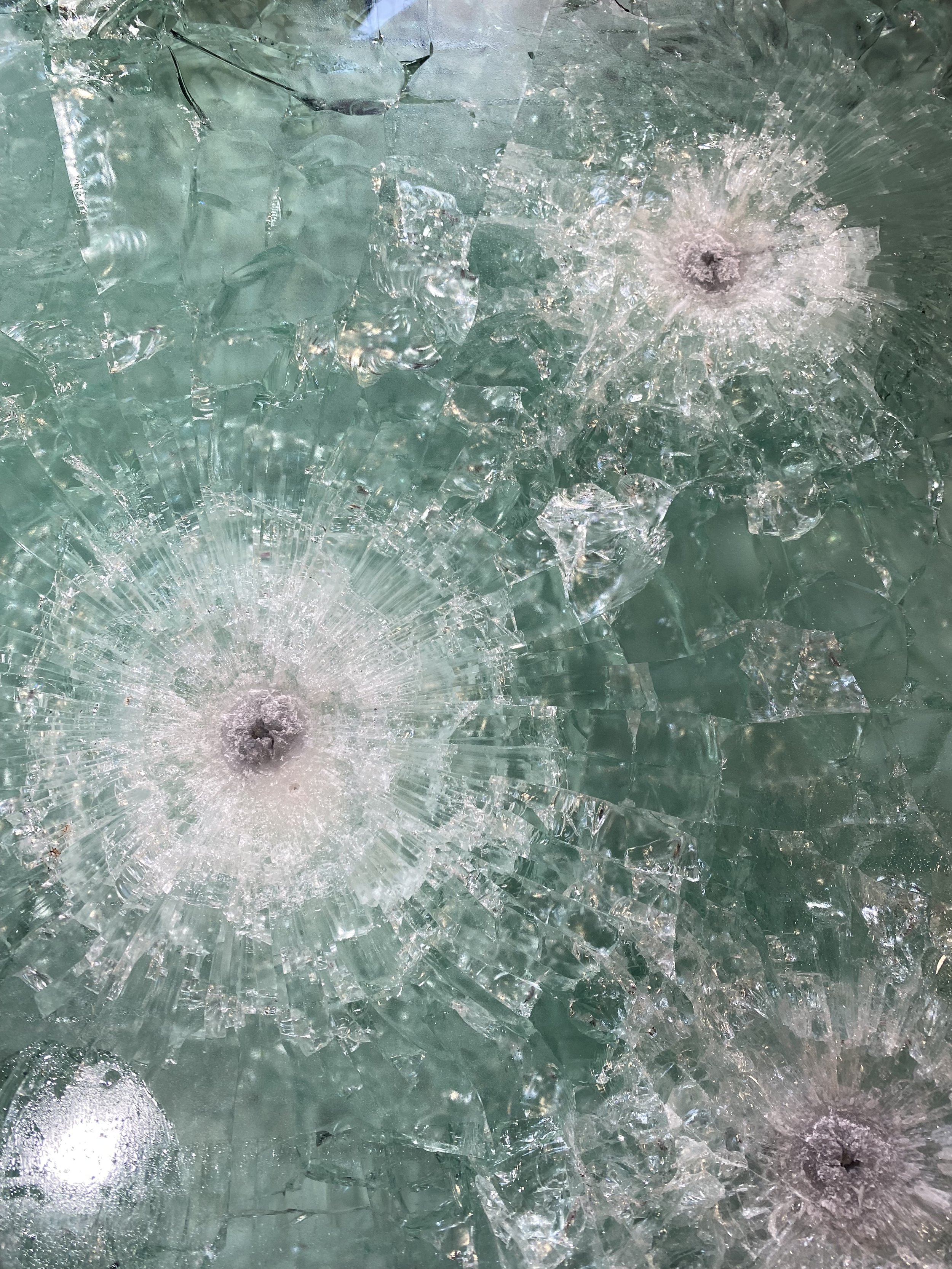
Modern ballistic glass systems are designed to provide layered protection while maintaining visibility and functionality.
What Is Ballistic Glass?
Ballistic glass, often referred to as bullet-resistant glass, is a specialized glazing system engineered to help resist ballistic threats while maintaining visibility, transparency, and functionality.
Unlike standard architectural glass, ballistic glazing systems are designed using multiple layers of specialized materials intended to absorb and disperse ballistic energy during impact.
To learn more about protection levels, common applications, and how ballistic glazing is integrated into schools, businesses, healthcare facilities, government buildings, and houses of worship, explore our Ballistic Glass Systems page.
Modern ballistic glass systems are increasingly used in:
schools
secure vestibules
government buildings
corporate offices
storefronts
public facilities
As organizations continue evaluating modern protection strategies, ballistic glass has become an increasingly important component of layered security planning.
How Bullet-Resistant Glass Works
Bullet-resistant glass is typically constructed using combinations of:
laminated glass
polycarbonate
acrylic
specialized interlayers
These materials work together to help:
absorb ballistic impact
reduce penetration
maintain structural integrity during attacks.
Different glazing systems are designed for different protection requirements depending on:
threat levels
environmental conditions
optical clarity needs
and deployment goals
Some systems are designed primarily for:
handgun protection
while others are engineered to withstand:rifle threats and higher-powered ballistic impacts
Understanding Ballistic Testing Standards: UL 752 and NIJ
Two of the most widely recognized ballistic testing standards used throughout the ballistic protection industry are:
UL 752
National Institute of Justice (NIJ) standards
These standards help evaluate how ballistic materials and protection systems perform against different firearm threats under controlled testing conditions.
UL 752
UL 752 establishes protection levels designed to evaluate ballistic resistance for materials such as:
ballistic glass
glazing systems
ballistic panels
physical barrier systems.
These levels range from lower-level handgun threats to higher-powered rifle threats.
NIJ Standards
The National Institute of Justice (NIJ) develops ballistic resistance standards commonly used throughout law enforcement, government, and protective equipment industries.
NIJ standards are frequently referenced for:
body armor
ballistic shields
and certain ballistic protection systems
Understanding the differences between UL 752 and NIJ standards is important when evaluating ballistic protection solutions for:
schools
entry vestibules
government facilities
and public environments
As discussed in ballistic glass vs. ballistic panels vs. mobile protection, different ballistic systems serve different roles depending on deployment goals and environmental needs.Ballistic Glass Applications in Schools and Public Spaces
Ballistic glass systems are increasingly being integrated into:
school vestibules
entryways
reception areas
storefronts
administrative offices
and collaborative public environments
Many schools are prioritizing controlled access and reinforced entry systems as part of broader safety planning efforts.
Ballistic vestibules and secured entry systems help:
strengthen vulnerable access points
improve visitor management
support layered protection strategies
As discussed in school safety awareness and preparedness, schools increasingly recognize the importance of combining multiple layers of security together.
Why Layered Ballistic Protection Matters
Modern safety planning increasingly focuses on:
layered protection
accessibility
controlled access
and integrated security infrastructure
Ballistic glass is often one component of a broader protection strategy that may also include:
ballistic wall systems
mobile ballistic protection
reinforced entry systems
and emergency preparedness planning
As discussed in layered school safety strategy, no single product or system solves every security challenge.
Instead, effective preparedness often depends on multiple protection layers working together.
Ballistic Glass vs. Security Film
One of the most common misconceptions in security planning is that security window film provides the same protection as ballistic glass.
While security film may help:
reduce shattering
delay forced entry
or improve glass retention
it is not the same as true ballistic glazing systems tested to recognized ballistic standards.
Ballistic glass systems are specifically engineered and tested to help resist ballistic penetration under controlled testing conditions.
Understanding these distinctions is important when evaluating real-world protection goals.
Ballistic Protection Beyond the Classroom
Ballistic protection systems are increasingly being used in:
corporate offices
government facilities
healthcare environments
retail storefronts
houses of worship
public gathering spaces
Ballistic glass systems are also commonly used in armored and law enforcement vehicle applications where certified ballistic protection and visibility are critical. These systems may incorporate UL-rated ballistic glazing designed to help protect occupants in high-risk environments.
As organizations continue evaluating modern preparedness strategies, many are prioritizing solutions that maintain:
visibility
aesthetics
functionality
while also improving protection capabilities
At Titan Armored, the focus remains on developing practical ballistic protection solutions designed for real-world environments.
Frequently Asked Questions About Ballistic Glass
What is ballistic glass?
Ballistic glass is a specialized glazing system designed to help resist ballistic threats while maintaining visibility and functionality.
Is bulletproof glass completely bulletproof?
Most systems are more accurately described as bullet-resistant because protection depends on testing standards, threat levels, and system construction.
What are UL 752 and NIJ ballistic standards?
UL 752 and National Institute of Justice (NIJ) standards are widely recognized ballistic testing standards used to evaluate how ballistic materials and protection systems perform against different firearm threats.
UL 752 is commonly used for ballistic glazing and physical barrier systems, while NIJ standards are frequently referenced for body armor, ballistic shields, and protective equipment.
Where is ballistic glass commonly used?
Ballistic glass is commonly used in schools, vestibules, storefronts, government buildings, offices, and secured public environments.
Want help evaluating ballistic glass and layered protection strategies for your school or organization?
Titan Armored works directly with administrators, architects, and safety leaders to implement practical ballistic protection strategies designed for real-world environments.