Ballistic Glass vs. Ballistic Panels vs. Mobile Protection: What’s the Difference?
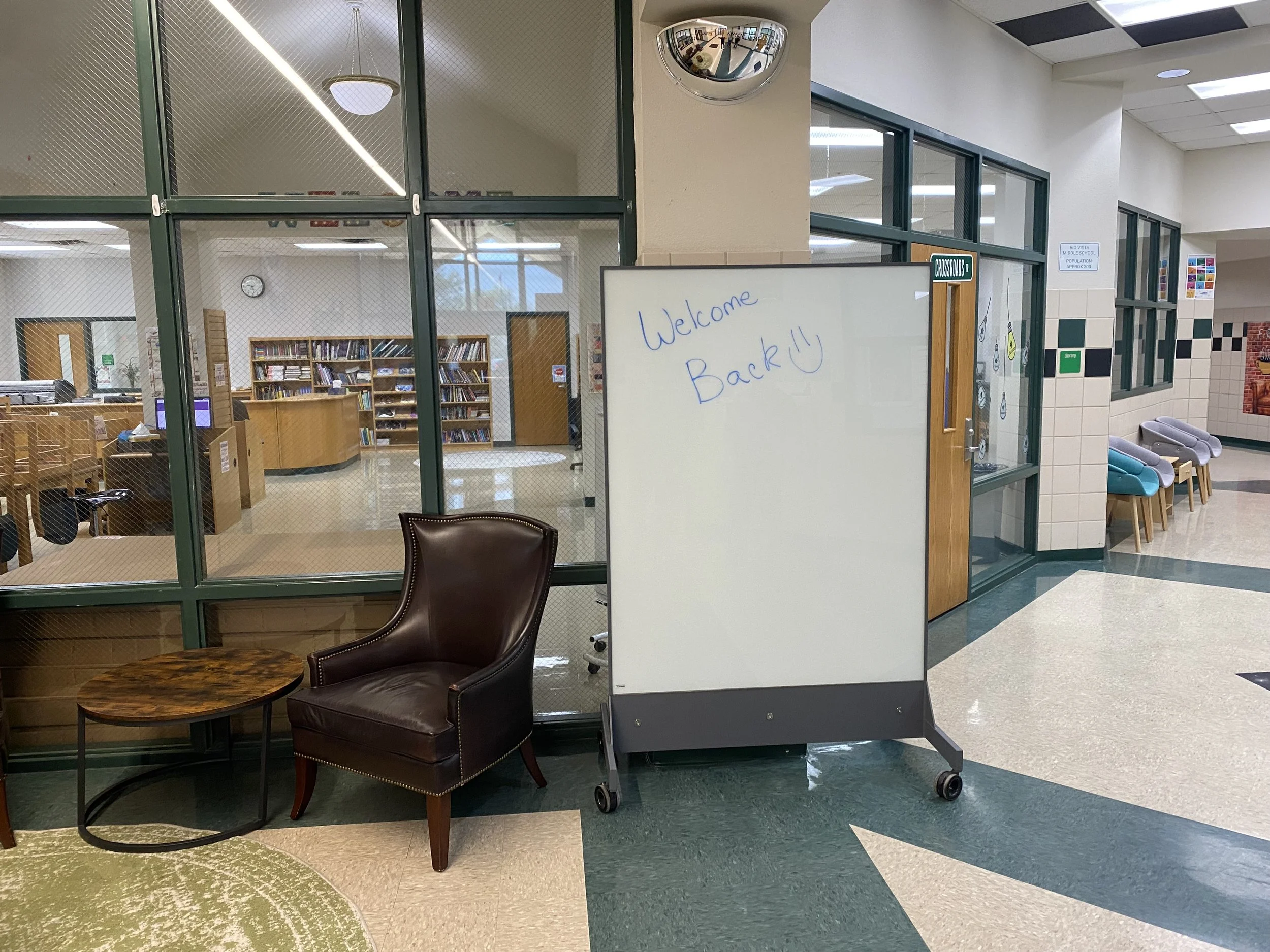
Different types of ballistic protection serve different roles within a layered school safety strategy.
As schools continue investing in campus safety, one challenge continues to emerge:
Understanding the differences between ballistic protection solutions.
Terms like:
ballistic glass,
ballistic wall panels,
and mobile ballistic protection
are often grouped together.
But each solution serves a different purpose within a layered school safety strategy.
Understanding these differences is essential for building effective protection plans that improve preparedness without disrupting everyday learning environments.
Why Schools Are Expanding Ballistic Protection
Modern school safety strategies are no longer focused on a single solution.
Today, districts are implementing layered approaches that combine:
access control
communication systems
training
physical protection
As discussed in layered school safety strategy, effective protection depends on combining multiple layers that work together.
What Is Ballistic Glass?
Ballistic glass is designed to help resist projectile penetration while maintaining visibility and transparency.
It is commonly used in:
secured vestibules
entry doors
reception areas
exterior windows
Ballistic glass is often one of the first layers schools implement because it helps strengthen vulnerable entry points while preserving normal operations.
Advantages of Ballistic Glass
Maintains visibility
Strengthens entry points
Integrates into architecture
Supports access control strategies
Limitations
Fixed in place
Higher installation costs
Limited flexibility after installation
What Are Ballistic Wall Panels?
Ballistic wall panels are reinforced protective systems installed inside walls or mounted onto existing structures.
They are commonly used in:
reception desks
administrative offices
interior walls
protected safe areas
These systems help add fixed protection to high-priority areas.
In some environments, ballistic wall panels are also being integrated into dual-use solutions such as fixed ballistic whiteboards and collaborative surfaces that combine everyday functionality with reinforced protection.
These systems help schools improve safety while maintaining modern learning and administrative environments.
Advantages of Ballistic Panels
Permanent protection
Hidden integration possible
Strong defensive capability
Limitations
Fixed coverage areas
Limited adaptability
Not immediately movable during emergencies
What Is Mobile Ballistic Protection?
Mobile ballistic protection includes movable protective systems designed to provide flexible coverage throughout a school environment.
This includes:
mobile ballistic shields
rolling barriers
dual-use safety products
One example is a bulletproof mobile whiteboard, like the TAG Mobile™, which combines everyday classroom functionality with ballistic protection.
As discussed in dual-use school safety products, accessibility plays a major role in real-world effectiveness.
Advantages of Mobile Protection
Flexible deployment
Immediate accessibility
Distributed coverage
Adaptable positioning
Limitations
Requires strategic placement
Must be integrated intentionally into environments
Fixed Protection vs. Flexible Protection
One of the biggest differences between these systems is:
Fixed protection vs. adaptable protection
Fixed Solutions
ballistic glass
ballistic panels
help secure:
permanent locations
entry points
administrative areas
Mobile Solutions
help improve:
flexibility
accessibility
classroom-level protection
Both can play important roles within a layered strategy.
Where Each Type of Protection Works Best
Ballistic Glass
Best for:
entryways
vestibules
administrative offices
Ballistic Panels
Best for:
reception areas
interior hardening
secure zones
Mobile Ballistic Protection
Best for:
classrooms
hallways
libraries
common areas
As outlined in where ballistic protection should be placed in schools, placement strategy is just as important as the protection itself.
Why Many Schools Are Combining Multiple Solutions
This layered approach allows schools to strengthen multiple areas of vulnerability without relying on a single solution alone.
Most schools are no longer choosing just one type of protection.
Instead, they are combining:
ballistic glass,
fixed protection,
and mobile solutions
to improve overall preparedness.
This layered approach helps:
reduce vulnerabilities
increase response capability
improve accessibility throughout campus
The Importance of Accessibility
As discussed in what actually works in a school shooting, the effectiveness of protection depends heavily on accessibility and deployment speed.
Protection that is:
difficult to access,
stored away,
or limited to one area
may not provide the same real-world effectiveness as solutions already integrated into the environment.
How Schools Evaluate the Right Solution
The best protection strategy depends on:
campus layout
vulnerabilities
response planning
budget
deployment goals
Many districts are also evaluating how schools pay for ballistic protection through grants, cooperative purchasing, and state funding programs.
Frequently Asked Questions About Ballistic Protection for Schools
What is the difference between ballistic glass and ballistic panels?
Ballistic glass maintains visibility while providing protection, while ballistic panels are typically installed inside walls or structures to reinforce specific areas.
What is mobile ballistic protection?
Mobile ballistic protection includes movable systems designed to provide flexible protection throughout school environments.
Are mobile ballistic solutions effective in schools?
Yes. Mobile solutions improve accessibility and can provide protection in classrooms, hallways, and common areas.
Which ballistic protection solution is best for schools?
Most schools benefit from layered approaches that combine multiple protection strategies based on campus needs.
Want help evaluating the right ballistic protection strategy for your campus?
We work directly with schools and safety leaders to identify vulnerabilities, improve accessibility, and recommend practical layered protection solutions.