What Actually Works in a School Shooting? A Real-World Breakdown of Response and Protection
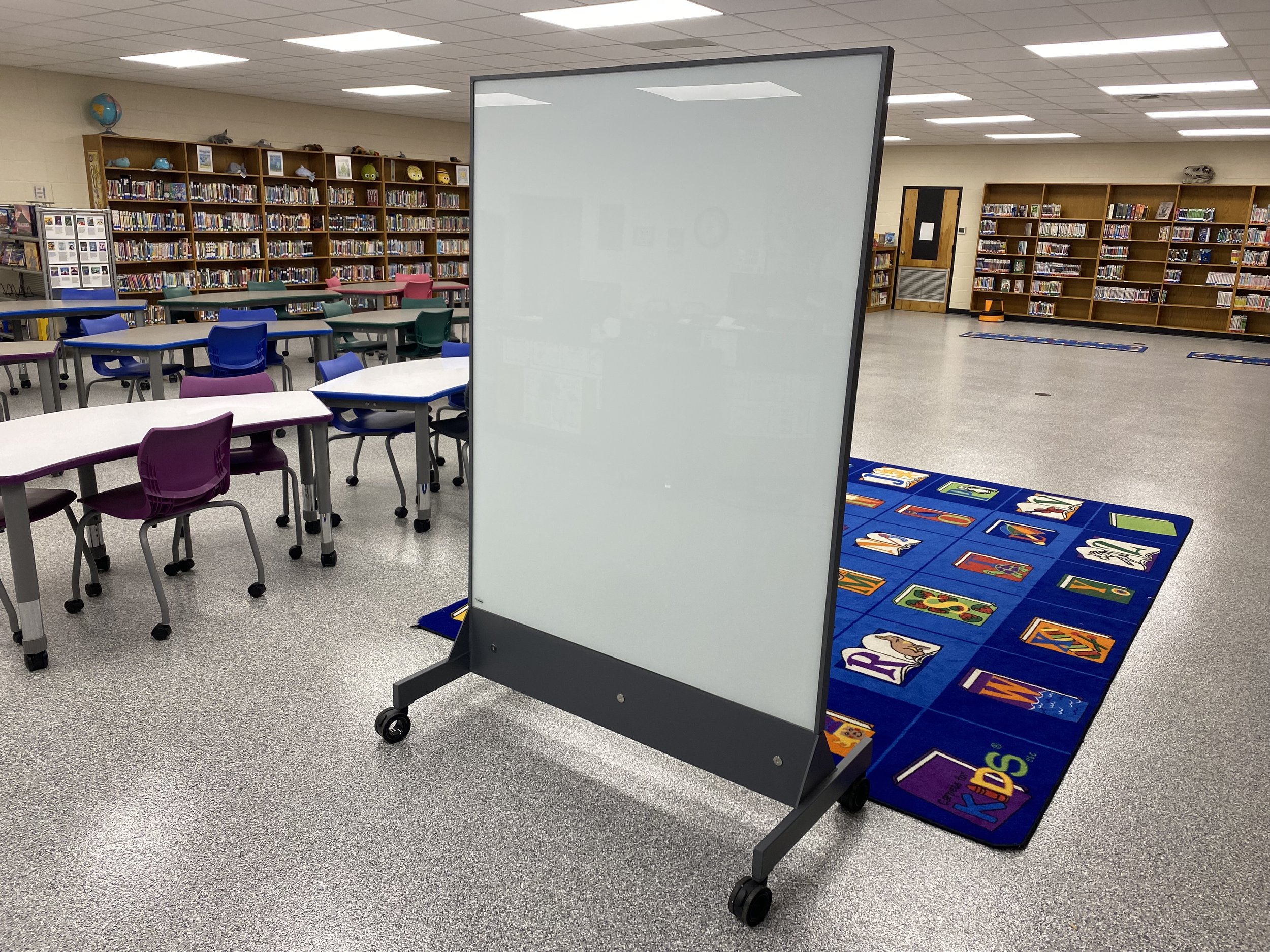
Ballistic protection where exposure is highest — large, open environments like libraries and shared learning spaces.
When people think about school safety, the focus is often on policies, procedures, or equipment.
But in a real emergency, the question becomes much more direct:
What actually works in a school shooting?
The reality is this:
School shootings unfold in seconds — not minutes.
And in those moments, only a few things truly make a difference.
The Reality: There Is No Time to React
In real-world scenarios:
There is no time to retrieve equipment
There is no time to unlock storage
There is no time to figure out a plan
Everything comes down to what is immediately accessible
Many schools are now rethinking their approach to school safety strategy based on real-world response scenarios.
What Actually Works: Immediate, In-Place Protection
The most effective safety measures share one critical trait:
They are already in position before anything happens
This includes:
Protection inside classrooms
Protection at entry points
Protection in hallways and high-traffic areas
Because when something happens:
The first 5–10 seconds matter most
Real-World Scenario: Classroom Exposure
Imagine a classroom during a normal school day.
Students are seated. A teacher is at the front of the room.
An emergency begins somewhere on campus.
There is no warning.
There is no time to retrieve equipment.
The only protection that matters is what is already inside the room.
This is where traditional approaches fall short—and where modern solutions change outcomes.
Real-World Scenario: Large Open Areas (Libraries, Common Spaces)
Large, open environments—like libraries and shared learning spaces—present a different challenge:
More people
Less natural cover
Greater exposure
Without protection already in place:
Movement is unrestricted, and exposure increases rapidly.
But when ballistic protection is positioned within these environments:
Coverage improves
Movement can be influenced
Exposure can be reduced
This is where mobile, full-coverage solutions become critical
Why Traditional Ballistic Shields Often Fall Short in Schools
Most traditional ballistic shields were designed for law enforcement response—not everyday school environments.
Common limitations:
Stored in a central location
Limited coverage area
Requires retrieval and deployment
Not integrated into daily use
In real scenarios, these limitations create delays—and delays increase risk.
What Actually Works: Protection That Is Always There
A bulletproof mobile whiteboard, like the TAG Mobile™, changes how protection is deployed in real-world school environments..
Instead of being stored away, it is:
Used every day in classrooms and common areas
Positioned where students and staff already are
Large enough to provide meaningful, full-body coverage
Immediately deployable without transition
There is no shift from “normal” to “emergency”
It is already part of the environment.
What Actually Works: Controlling Movement
Effective school safety is not just about stopping a threat.
It’s about:
Controlling where a threat can go
This includes:
Limiting access to hallways
Creating barriers at key intersections
Reducing line-of-sight exposure
This is why distributed protection strategies are more effective than centralized equipment.
If you’re evaluating deployment strategy, it’s important to understand where ballistic protection should be placed in schools and how many ballistic shields a school needs based on layout and exposure.
A Layered Approach Is the Only Approach That Works
No single solution is enough.
The most effective schools implement layered safety strategies that include:
Access control systems
Communication protocols
Staff training
Physical barriers
Ballistic protection
Each layer adds time—and time saves lives.
This is the standard approach used by schools and districts that prioritize real-world readiness.
What This Means for Schools Today
The question is no longer:
“Do we have safety equipment?”
The real question is:
“Will it actually work when we need it?”
Because in a real emergency:
Seconds matter
Accessibility matters
Placement matters
And the schools that plan for those realities are the ones that are truly prepared.
Final Thought: Preparation vs. Assumption
Many safety plans are built on assumptions:
That there will be time
That equipment can be retrieved
That response will be immediate
Real-world scenarios don’t follow those assumptions.
They reward preparation.
Frequently Asked Questions About School Safety and Response
What actually works in a school shooting?
Safety measures that are immediately accessible, already in place, and require no retrieval or setup are the most effective in real-world scenarios.
Do ballistic shields work in schools?
Yes, but only when they are properly positioned and immediately accessible. Stored equipment often fails due to delayed response.
What type of protection is most effective in classrooms?
Protection that is already inside the classroom and can be deployed instantly without delay provides the greatest advantage.
Are schools required to have ballistic protection?
Requirements vary by state, but many school safety standards, grant programs, and state initiatives strongly encourage ballistic protection as part of a layered security strategy.
Want to evaluate what would actually work in your school?
We work directly with administrators and school safety leaders to assess real-world vulnerabilities and implement practical, effective protection strategies.