Why a Layered School Safety Strategy Is Essential for Modern Campus Protection
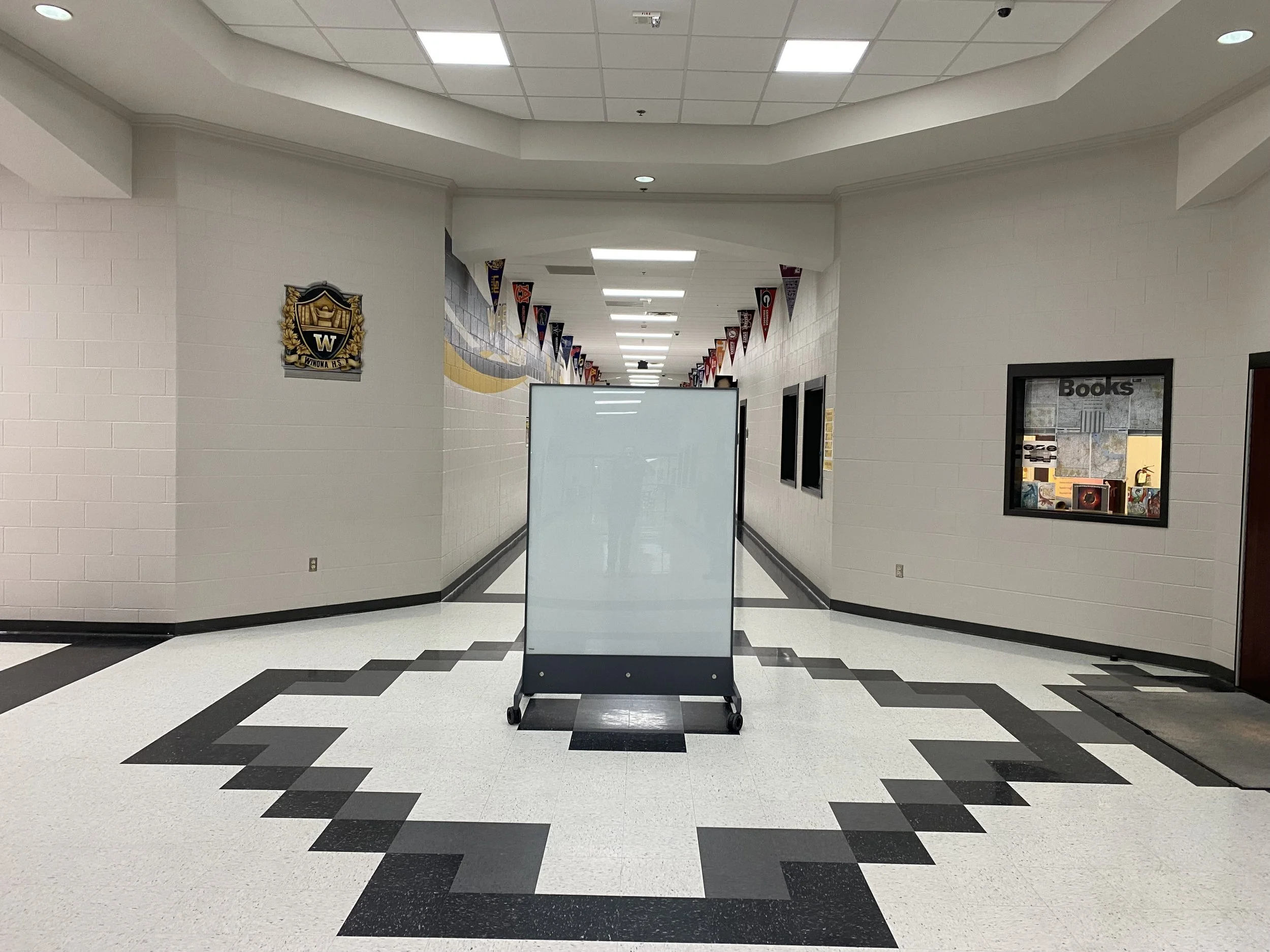
Effective school safety requires multiple layers of protection working together—not isolated solutions.
School safety is no longer about relying on a single solution.
Modern schools require layered protection strategies that improve preparedness, increase response capability, and reduce vulnerabilities across campus environments.
The most effective school safety plans combine:
access control
communication
training
immediately accessible ballistic protection
A layered school safety strategy is what transforms individual safety measures into a real-world protection strategy.
Many schools are now incorporating dual-use school safety products into their layered protection strategies to improve accessibility and preparedness.
Making Buildings Harder to Enter and Access
In the quest for enhanced safety, the first layer involves making school buildings more resistant to unauthorized access.
Continuous monitoring is invaluable, but hardening entry points with advanced security measures adds a critical layer of defense.
Titan Armored ballistic laminated glass for exterior security and doors contributes to creating formidable barriers, helping delay potential attackers while improving overall campus security.
The National Institute of Justice (NIJ) sets stringent standards for ballistic resistance, and Titan Armored bullet-resistant glass aligns with these guidelines based on the level of protection desired.
Such glass can withstand multiple rounds from firearms up to assault weapons, providing a level of protection that goes beyond standard safety measures.
The goal is clear:
Slow down or stop potential attackers, buy time for response efforts, and create a more secure environment for students and staff.
Understanding where ballistic protection should be placed in schools is essential for building an effective layered safety strategy.
The Importance of a Layered Approach
A layered school safety strategy helps schools improve preparedness while reducing vulnerabilities across campus environments.
According to the FBI, the median response time to school shooting incidents is approximately three minutes.
The layered approach recognizes the urgency of early detection and the need to delay potential threats.
However, it’s not solely about physical barriers—it’s about combining these measures with advanced technology, communication systems, training, and vigilant monitoring.
As discussed in what actually works in a school shooting, accessibility and immediate deployment are critical in real-world emergencies.
Enter the TAG Mobile™, an innovative solution designed for seamless integration into a layered safety strategy.
It provides a functional, mobile, and secure writing surface that can be strategically placed throughout school environments, including:
classrooms
entryways
hallways
libraries
meeting rooms
TAG Mobile™ encourages interactive learning, spontaneous note-taking, and collaborative environments while maintaining a discreet yet effective layer of ballistic protection.
Beyond Single Security Measures
Relying on a single security measure—such as armed guards alone—has not proven significantly effective in reducing school shootings.
A comprehensive strategy that combines physical security enhancements with advanced technology and vigilant monitoring is essential.
This layered approach improves:
overall security effectiveness
situational awareness
response coordination
emergency readiness
Many districts are also evaluating how schools pay for ballistic protection through grants, cooperative purchasing, and state funding initiatives.
Frequently Asked Questions About Layered School Safety
What is a layered school safety strategy?
A layered strategy combines multiple security measures designed to improve preparedness and reduce vulnerabilities across campus environments.
Why is layered protection important in schools?
No single safety measure can address every scenario. Layered protection improves response capability and overall campus security.
What role does ballistic protection play in layered security?
Ballistic protection adds an additional layer that can help reduce exposure and improve protection during critical incidents.
Are dual-use safety products part of layered school safety?
Yes. Dual-use products improve accessibility and integrate protection into everyday environments.
Want help building a layered school safety strategy tailored to your campus?
We work directly with administrators and safety leaders to evaluate vulnerabilities, improve accessibility, and implement practical protection solutions.