Ballistic Protection for Schools: What Administrators Need to Know Before Buying
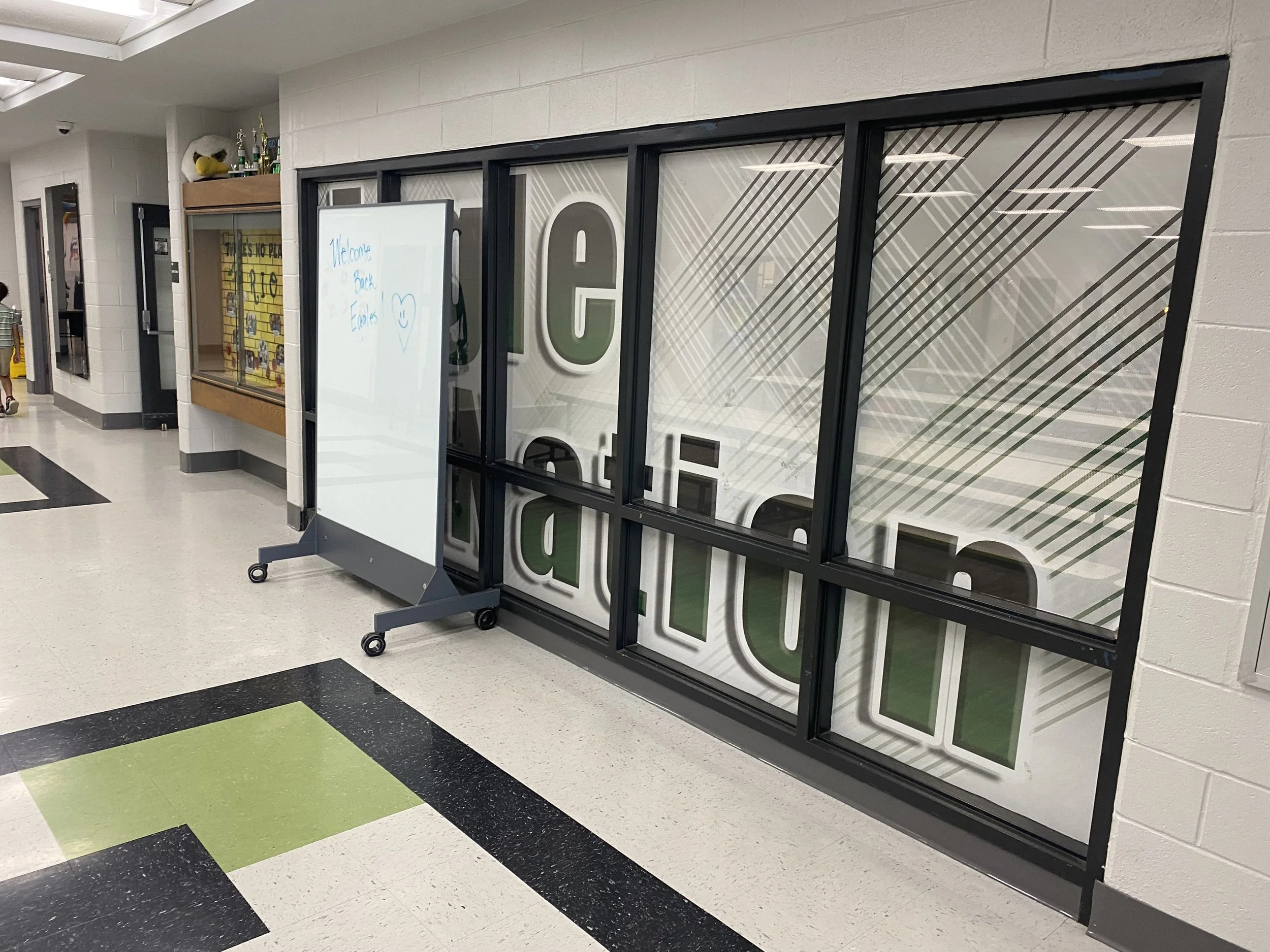
Ballistic protection positioned where movement and exposure are highest — hallways and shared spaces.
When schools begin evaluating safety improvements, one category continues to gain attention:
Ballistic protection for schools
But with that attention comes a challenge:
Most administrators are forced to make decisions in a space that is complex, unfamiliar, and often filled with conflicting information.
The goal of this guide is simple:
Provide a clear, practical framework for evaluating ballistic protection—before making a decision.
Why Ballistic Protection Is Becoming a Priority
School safety planning has evolved significantly in recent years.
Today, administrators are focused on:
Real-world response readiness
Immediate accessibility of protection
Layered security strategies
Solutions that work under pressure
As discussed in what actually works in a school shooting, the effectiveness of any safety solution depends on one key factor:
Will it work in the first few seconds?
This shift reflects how school safety planning is evolving across districts nationwide—from reactive measures to proactive, real-world preparedness.
Understanding the Different Types of Ballistic Protection
Not all ballistic protection is the same.
Schools typically evaluate three categories:
Fixed Protection
Ballistic glass
Wall panels
Secured installations
Effective, but limited to specific locations
Mobile Protection
Ballistic shields
Portable barriers
Flexible, but often stored or difficult to deploy quickly
Dual-Use Protection
Everyday-use products with integrated ballistic capability
Designed to be:
Accessible
Functional
Always in place
What Most Schools Get Wrong
A common mistake is focusing on:
The product itself—not how it will actually be used
Questions often asked:
What rating is it?
How much does it cost?
How many do we need?
These are important—but incomplete.
The better questions are:
Where will it be placed?
How quickly can it be used?
Will it be accessible when needed?
The difference between having protection and having effective protection is how and where it is deployed.
What to Look for When Evaluating Ballistic Protection
1. Immediate Accessibility
If protection is not within reach, it is not effective.
2. Coverage Area
Larger coverage = greater protection and flexibility
3. Deployment Speed
No setup. No retrieval. No delay.
4. Integration Into Daily Use
Solutions that are used every day are more likely to be used when it matters
5. Placement Strategy
Understanding where ballistic protection should be placed in schools is just as important as the product itself
Why Dual-Use Solutions Are Changing School Safety
A bulletproof mobile whiteboard, like the TAG Mobile™, represents a shift in how schools approach safety.
Instead of adding equipment that sits unused, schools are integrating protection into everyday environments.
This allows for:
Immediate access
Better distribution across campus
Higher likelihood of use in real scenarios
Safety becomes part of the environment—not a separate system
How Many Solutions Does a School Actually Need?
This is one of the most common questions administrators ask.
The answer depends on:
Layout
Entry points
Exposure areas
If you’re evaluating quantity, we break this down in detail here:
How many ballistic shields a school needs
A Layered Approach Is Essential
Ballistic protection should not stand alone.
It should be part of a broader strategy that includes:
Access control
Communication systems
Staff training
Physical barriers
Each layer adds time—and time saves lives
Final Thought: Making the Right Decision
Choosing ballistic protection is not just a purchasing decision.
It’s a planning decision.
The goal is not simply to have protection.
It’s to ensure that protection will actually work when it matters most
Frequently Asked Questions About Ballistic Protection for Schools
What is ballistic protection for schools?
Ballistic protection includes materials and systems designed to stop or slow projectiles, helping reduce exposure during an emergency.
What should schools look for when buying ballistic protection?
Accessibility, placement, coverage, and real-world usability are the most important factors.
Are mobile ballistic solutions effective?
Yes—especially when they are integrated into everyday environments and immediately accessible.
Is ballistic protection required in schools?
Requirements vary by state, but many safety programs and funding initiatives support its use as part of a layered strategy.
Want help evaluating the right ballistic protection strategy for your school?
We work directly with administrators to assess needs, identify vulnerabilities, and recommend practical, real-world safety solutions.