What Is a Safe Room? The Complete Guide for Schools, Businesses, and Government Facilities
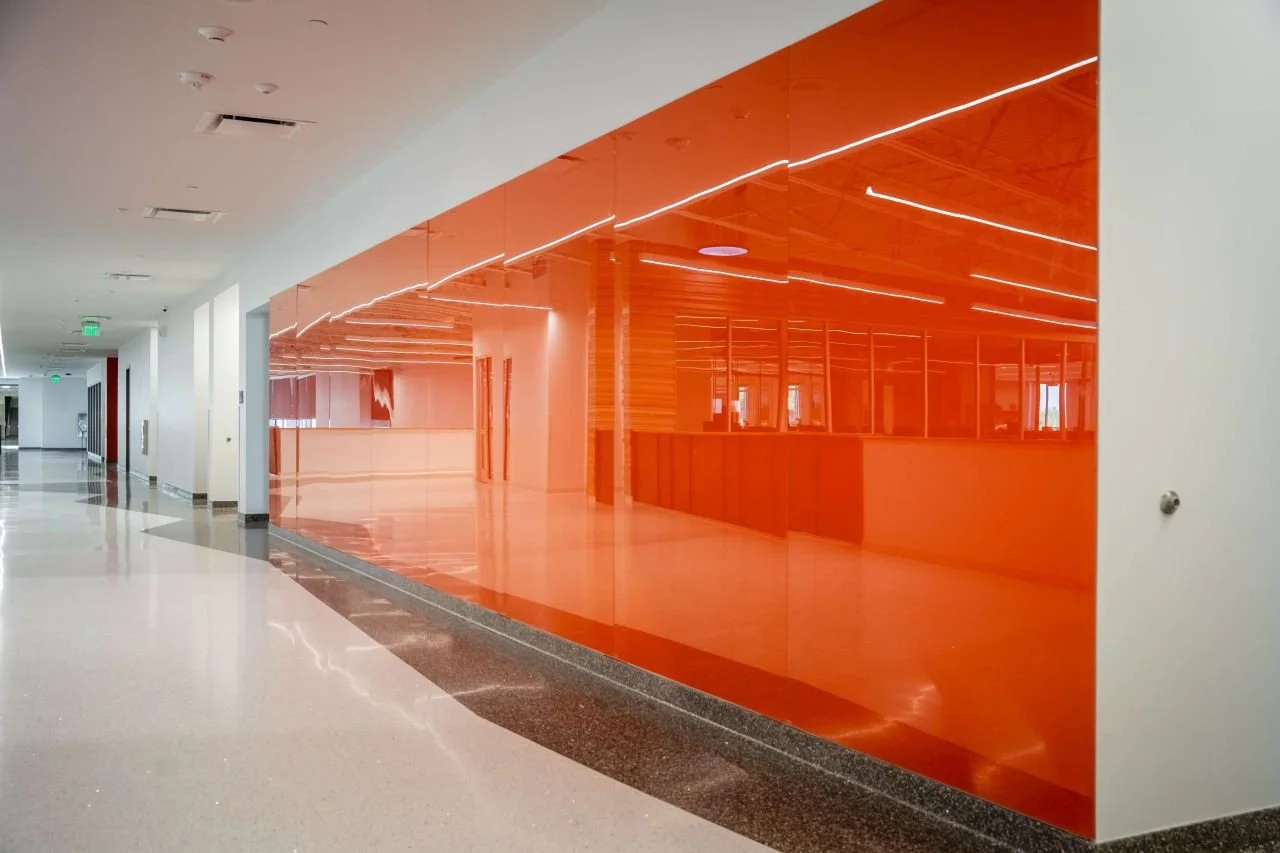
Titan WallShield™ bullet-resistant wall panels help architects and facility planners integrate permanent ballistic protection into schools, corporate offices, healthcare facilities, government buildings, and houses of worship without compromising design or daily usability.
Safe rooms are no longer reserved for military installations or high-security government facilities.
Today, schools, universities, healthcare facilities, government buildings, corporate offices, houses of worship, and even some residential construction projects are incorporating designated protected spaces into their security planning.
The goal is not to create environments that feel intimidating or institutional.
The goal is to create spaces where occupants can continue learning, working, healing, worshipping, and collaborating every day while providing meaningful protection during an emergency.
Modern safe rooms are no longer simply reinforced concrete rooms hidden inside a building. They are thoughtfully designed environments that combine architecture, planning, ballistic protection, and everyday functionality into a comprehensive layered security strategy.
This guide explains what safe rooms are, how they work, what materials are commonly used, and how organizations are incorporating bullet-resistant wall panels, ballistic glass, reinforced entry systems, and mobile protection solutions into modern facilities.
What Is a Safe Room?
A safe room is a designated protected space designed to provide occupants with enhanced protection during an emergency.
Depending on the building and its intended use, safe rooms may be designed to provide protection from ballistic threats, unauthorized entry, workplace violence, severe weather, or other emergency situations.
Unlike temporary shelter locations, modern safe rooms are intentionally planned as part of the building's overall safety strategy.
Many organizations are now incorporating safe rooms into both new construction and renovation projects to improve preparedness while maintaining normal building operations.
Safe rooms may be located within:
Schools
Universities
Corporate offices
Government buildings
Healthcare facilities
Houses of worship
Community buildings
In residential construction, the term "panic room" is sometimes used. However, in commercial, educational, healthcare, and government environments, the preferred terminology is safe room or protected area.
Why Safe Rooms Are Becoming More Common
Organizations today face a different set of security challenges than they did just a decade ago.
Rather than relying on a single product or security measure, facility owners are increasingly adopting comprehensive preparedness strategies that combine multiple layers of protection.
This approach has accelerated interest in safe rooms across many industries.
Several factors are driving this trend.
Increased Focus on Preparedness
Organizations recognize that planning ahead is often more effective than reacting after an emergency occurs.
Safe rooms provide designated protected spaces that can become part of broader emergency response plans.
Modern Building Design
Architects and designers increasingly integrate safety into the earliest stages of planning rather than adding visible security features after construction is complete.
As discussed in Designing Security: How Architects Integrate Ballistic Glass, Bullet-Resistant Wall Panels, and Mobile Protection into Modern Interiors, modern facilities are balancing aesthetics, functionality, and security in ways that were uncommon only a few years ago.
Layered Protection Strategies
No single product creates a safe building.
The most effective facilities combine multiple layers of physical protection.
As discussed in Layered School Safety: The Strategy That Actually Saves Lives, layered protection strategies allow different security measures to work together to improve preparedness.
Safe rooms often become one important component of that broader strategy.
Who Uses Safe Rooms?
Safe rooms are now being incorporated into a wide variety of facilities.
Schools
Schools may designate classrooms, administrative offices, or other protected areas as part of their emergency preparedness planning.
Universities
Higher education campuses often evaluate safe rooms within academic buildings, research facilities, libraries, residence halls, and administrative offices.
Corporate Offices
Businesses are increasingly incorporating protected spaces into executive offices, conference rooms, human resources departments, security operations centers, and other critical work areas.
Government Buildings
Government facilities often include designated protected areas for employees and members of the public while maintaining accessibility and operational continuity.
Healthcare Facilities
Hospitals, medical offices, and behavioral health facilities may incorporate safe rooms into emergency planning while maintaining patient care and staff accessibility.
Houses of Worship
Many churches, synagogues, mosques, and other faith-based organizations are strengthening designated areas that support both community gathering and emergency preparedness.
Although some residential construction projects now include safe rooms, Titan Armored's primary focus remains supporting commercial, educational, healthcare, government, and institutional environments.
What Makes an Effective Safe Room?
One of the most common misconceptions is that a safe room simply consists of thicker walls.
In reality, effective safe rooms are carefully planned environments that combine multiple physical security components working together.
Each project is unique, but many safe rooms incorporate:
Bullet-resistant wall systems
Ballistic glass
Reinforced doors and frames
Controlled access
Emergency communication systems
Strategic room placement
Emergency planning and staff training
The objective is not to create an isolated bunker.
The objective is to create an environment that remains fully functional every day while providing meaningful protection when needed.
Safe Rooms Are More Than Reinforced Walls
One of the biggest misconceptions is that a safe room is simply a room with thicker walls.
In reality, effective safe rooms are carefully planned environments that combine multiple layers of physical protection and life-safety considerations.
Depending on the facility and its objectives, a safe room may incorporate:
Bullet-resistant wall panels that reinforce vulnerable walls while maintaining a clean architectural appearance.
Ballistic glass systems that preserve visibility while helping protect occupants.
Reinforced doors and frames designed to delay unauthorized entry.
Access control systems that help secure the space during an emergency.
Emergency communication systems that allow occupants to communicate with first responders.
Emergency planning and staff training that support coordinated response procedures.
When integrated into a broader layered security strategy, these elements work together to create protected spaces without fundamentally changing how a building functions every day.
As discussed in What Is a Bulletproof Wall Panel? The Complete Guide for Schools, Businesses, and Government Facilities, modern bullet-resistant wall systems can now provide both permanent ballistic protection and everyday functionality, allowing architects and facility planners to integrate security without sacrificing aesthetics.
Likewise, Understanding Ballistic Glass: How Bullet-Resistant Glass Works explains how ballistic glazing systems can strengthen vulnerable entry points while preserving visibility and natural light.
Together, these solutions help transform safe rooms from isolated spaces into functional parts of the built environment.
Can Existing Buildings Become Safe Rooms?
One of the biggest misconceptions surrounding safe rooms is that they can only be incorporated into new construction.
In reality, many schools, businesses, healthcare facilities, government buildings, and houses of worship are strengthening existing spaces through carefully planned renovation projects.
Rather than constructing entirely new buildings, organizations are increasingly evaluating existing classrooms, conference rooms, administrative offices, executive offices, and reception areas as potential protected spaces.
Depending on the objectives of the project, renovations may include:
Bullet-resistant wall panels
Concealed ballistic wall systems
Ballistic glass
Reinforced doors and frames
Security vestibules
Access control systems
Mobile ballistic protection
This approach often allows organizations to improve preparedness while minimizing disruption to daily operations.
As discussed in What Is a Bulletproof Wall Panel? The Complete Guide for Schools, Businesses, and Government Facilities, modern bullet-resistant wall systems can often be incorporated into renovation projects without compromising aesthetics or functionality.
Safe Rooms in Schools
Schools remain one of the fastest-growing environments for designated protected spaces.
Unlike traditional hardened rooms that may sit unused for years, today's educational environments increasingly emphasize dual-use solutions that support learning every day.
Potential safe room locations include:
Classrooms
Administrative offices
Front offices
Counseling offices
Conference rooms
Libraries
Staff collaboration spaces
Many districts combine permanent protection systems with mobile ballistic protection to create multiple layers of accessibility throughout campus.
For example:
A classroom may incorporate Titan WallShield™ Bullet-Resistant Wall Panels along one or more walls while also utilizing TAG Mobile™ Bulletproof Whiteboards that remain accessible throughout the learning environment.
Together, these systems help create designated protected areas while continuing to support teaching, collaboration, and everyday classroom activities.
As discussed in Where to Place Ballistic Protection in Schools, accessibility often becomes just as important as the level of ballistic protection itself.
Safe Rooms in Corporate Offices
Corporate environments present different security considerations than schools.
Executive offices, conference rooms, reception areas, human resources departments, and security operations centers often require protection while maintaining open, collaborative workplaces.
Rather than creating visible fortifications, many organizations are integrating discreet ballistic protection into everyday office environments.
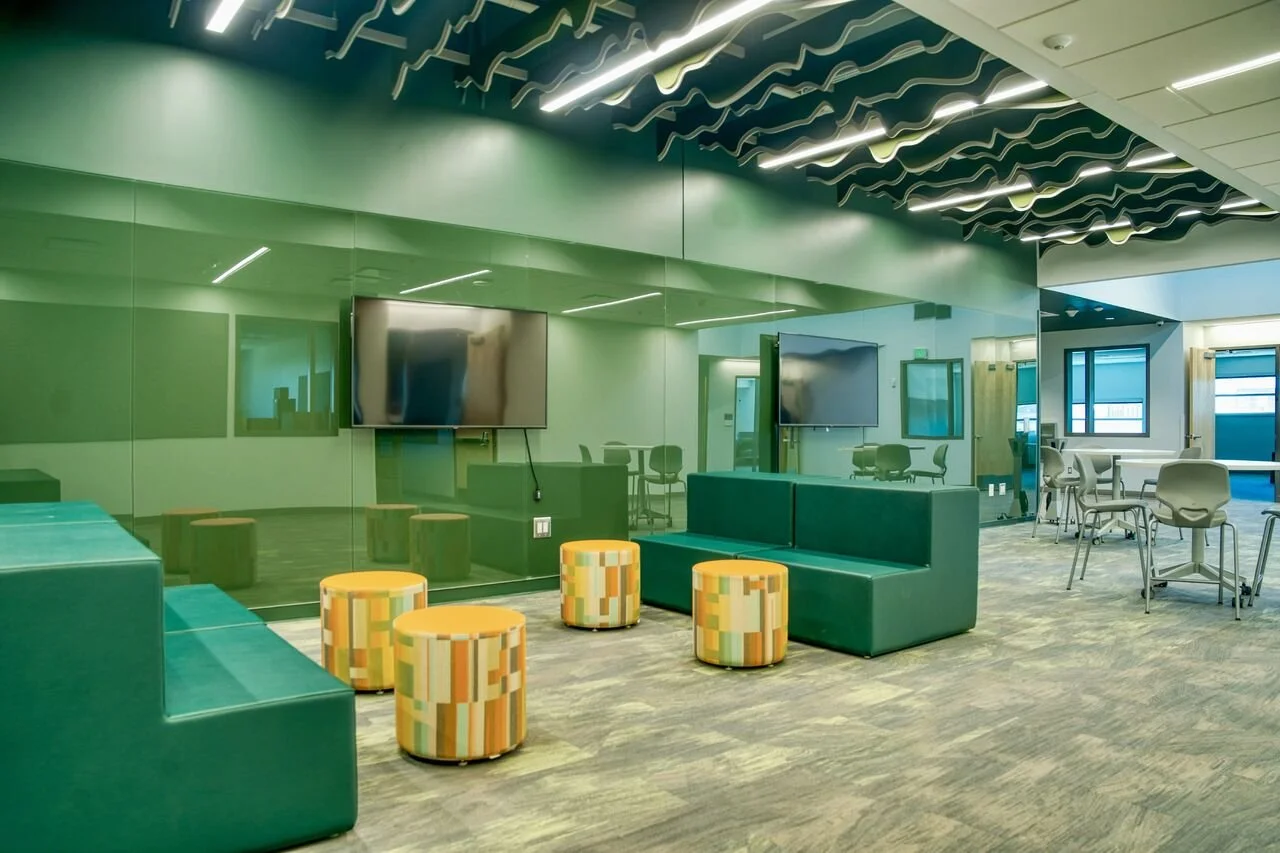
Modern safe rooms no longer resemble traditional fortified spaces. Through thoughtful integration of ballistic glass, bullet-resistant wall panels, and other discreet protection solutions, organizations can create designated protected areas that support everyday collaboration while enhancing overall preparedness.
Unlike traditional safe rooms hidden behind solid walls, ballistic glass allows architects to create designated protected spaces that preserve natural light, visibility, and collaboration while contributing to broader security planning.
Examples include:
Bullet-resistant wall panels integrated into executive offices
Ballistic glass conference room enclosures that preserve transparency while providing protection
Reinforced reception areas
Secure executive briefing rooms
Protected human resources offices
Security operations centers
These environments demonstrate that modern safe rooms do not need to feel isolated or institutional.
Instead, they become functional workspaces that support everyday business operations while contributing to broader preparedness planning.
Safe Rooms in Government Buildings
Government facilities often require protected spaces that balance accessibility, transparency, and security.
Safe rooms may be incorporated into:
Administrative offices
Public reception areas
Council chambers
Conference rooms
Emergency operations centers
Law enforcement facilities
Projects frequently combine ballistic wall systems, ballistic glazing, reinforced doors, and access control technologies as part of a comprehensive security strategy.
Safe Rooms in Healthcare Facilities
Healthcare environments present unique challenges because patient care must continue during emergencies.
Safe room planning may involve:
Nurse stations
Behavioral health environments
Administrative offices
Emergency departments
Staff work areas
Pharmacy support spaces
Designers increasingly seek solutions that improve protection while maintaining calm, welcoming healthcare environments.
Dual-use products often help achieve these objectives without creating spaces that feel intimidating for patients or visitors.
Safe Rooms in Houses of Worship
Many houses of worship are strengthening designated protected areas while preserving welcoming environments that reflect their mission and community.
Potential protected spaces include:
Children's ministry classrooms
Administrative offices
Conference rooms
Community gathering spaces
Reception areas
Organizations frequently combine:
Bullet-resistant wall panels
Ballistic glass
Reinforced entry systems
Mobile ballistic protection
to create multiple layers of protection throughout the facility.
As discussed in How Jewish Schools and Synagogues Are Strengthening Security Without Sacrificing Community, thoughtful planning allows organizations to improve preparedness while preserving openness, visibility, and hospitality.
Safe Rooms Are Part of a Broader Preparedness Strategy
No single room can protect an entire facility.
Instead, designated protected spaces become one component of a comprehensive preparedness plan.
Modern organizations increasingly combine:
Safe rooms
Security vestibules
Ballistic glass
Bullet-resistant wall panels
Mobile ballistic protection
Emergency communications
Access control
Staff training
into layered security strategies that support both everyday operations and emergency response.
This integrated approach allows facilities to remain welcoming, collaborative, and productive while improving overall preparedness.
Bullet-Resistant Wall Panels vs. Ballistic Glass vs. Mobile Protection
One of the most common questions facility owners ask is:
"Which product should we use to create a safe room?"
The answer is that most successful projects incorporate multiple layers of protection rather than relying on a single product.
Each solution contributes differently depending on the building's design, occupancy, and security objectives.
Bullet-Resistant Wall Panels
Bullet-resistant wall panels strengthen vulnerable walls and can help create designated protected areas while preserving the appearance and functionality of the surrounding environment.
Modern systems may be installed:
Behind finished walls for concealed protection
As dual-use architectural wall systems such as Titan WallShield™
Throughout new construction or renovation projects
These systems are frequently incorporated into schools, universities, healthcare facilities, corporate offices, government buildings, and houses of worship.
As discussed in What Is a Bulletproof Wall Panel? The Complete Guide for Schools, Businesses, and Government Facilities, modern wall systems can provide permanent protection while supporting everyday use.
Ballistic Glass
Ballistic glass helps preserve visibility while strengthening vulnerable areas that traditionally rely on standard glazing.
Common applications include:
Conference rooms
Executive offices
Reception areas
Administrative offices
Security vestibules
Interior office partitions
Entry systems
Unlike opaque barriers, ballistic glazing allows architects to maintain natural light and open sightlines while contributing to broader security planning.
To learn more, read Understanding Ballistic Glass: How Bullet-Resistant Glass Works.
Mobile Ballistic Protection
Permanent protection is important.
Accessibility is equally important.
Mobile protection solutions provide flexibility by allowing protection to move where it is needed most.
Products such as TAG Mobile™ Bulletproof Whiteboards combine everyday functionality with immediate accessibility, making them valuable additions to classrooms, administrative offices, conference rooms, libraries, healthcare environments, and other occupied spaces.
Unlike traditional ballistic shields that often remain stored until an emergency occurs, dual-use mobile protection remains part of the environment every day.
As discussed in What Is a Bulletproof Whiteboard? The Complete Guide for Schools, Businesses, and Government Facilities, organizations increasingly seek investments that contribute to everyday productivity while enhancing preparedness.
Why Dual-Use Protection Matters
One of the most significant shifts in modern facility planning is the move toward dual-use security solutions.
Historically, many security products remained stored until an emergency occurred.
Today, organizations are increasingly prioritizing solutions that provide meaningful value every day.
Examples include:
Bullet-resistant wall panels that serve as collaborative dry-erase surfaces.
Mobile ballistic protection that functions as everyday whiteboards.
Ballistic glass systems that preserve visibility while strengthening vulnerable spaces.
Security vestibules that improve both access control and visitor management.
This approach improves return on investment while supporting a more welcoming and functional environment.
Rather than separating security from daily operations, modern facilities increasingly integrate protection into the spaces people already use.
Planning Safe Rooms Begins Long Before Construction
The most effective safe rooms are rarely created by adding a single product after a building is complete.
Instead, successful projects begin during planning.
Architects, security consultants, school administrators, corporate leaders, healthcare providers, facility managers, and government agencies increasingly collaborate early in the design process to identify:
Occupancy patterns
Building circulation
Vulnerable areas
Access control strategies
Emergency response procedures
Opportunities for discreet ballistic protection
Early planning often allows organizations to integrate bullet-resistant wall panels, ballistic glass, mobile protection, and reinforced entry systems more effectively while preserving architectural intent.
The result is not simply a protected room.
It is a safer building.
Frequently Asked Questions
What is the purpose of a safe room?
A safe room is a designated protected space designed to help occupants shelter during emergencies while supporting a broader layered security strategy.
Can existing buildings be converted into safe rooms?
Yes.
Many schools, corporate offices, healthcare facilities, government buildings, and houses of worship strengthen existing rooms through renovation projects that incorporate bullet-resistant wall panels, ballistic glass, reinforced doors, and other security improvements.
What materials are used to build safe rooms?
Depending on the project, safe rooms may incorporate:
Bullet-resistant wall panels
Ballistic glass
Reinforced doors and frames
Access control systems
Emergency communications
Mobile ballistic protection
The specific design depends on the facility's objectives and required level of protection.
Are safe rooms only for schools?
No.
Safe rooms are increasingly incorporated into corporate offices, healthcare facilities, government buildings, universities, houses of worship, and other commercial environments.
Can a conference room become a safe room?
Yes.
Many organizations evaluate conference rooms because they are centrally located and already support everyday collaboration.
Depending on the project, conference rooms may incorporate ballistic glass, bullet-resistant wall panels, reinforced doors, and other protective elements while remaining fully functional workspaces.
What is the difference between a safe room and a panic room?
The terms are often used interchangeably.
"Panic room" is more commonly associated with residential construction, while "safe room" is the preferred term for schools, commercial buildings, healthcare facilities, government environments, and houses of worship.
Can bullet-resistant wall panels help create safe rooms?
Yes.
Both concealed bullet-resistant wall systems and dual-use solutions such as Titan WallShield™ can contribute to designated protected areas while preserving the appearance and functionality of the surrounding environment.
Do safe rooms replace other security measures?
No.
Safe rooms should be viewed as one component of a comprehensive layered security strategy that may also include access control, emergency communications, staff training, ballistic glazing, reinforced entry systems, and mobile protection.
Explore Additional School Safety Resources
Understanding Ballistic Glass: How Bullet-Resistant Glass Works
Where to Place Ballistic Protection in Schools
Layered School Safety: The Strategy That Actually Saves Lives
Designing Safer Spaces Starts with Planning
Every facility is different.
The most effective safe rooms are planned around a building's layout, occupancy, daily operations, and long-term security objectives—not around a single product.
Whether you're designing a new school, strengthening a corporate headquarters, renovating a healthcare facility, modernizing a government building, or improving security within a house of worship, integrated ballistic protection solutions can help support both everyday functionality and long-term preparedness.
Explore Titan WallShield™ Bullet-Resistant Wall Panels →
Explore TAG Mobile™ Bulletproof Whiteboards →
Explore Titan Armored School Safety & Ballistic Protection Solutions →