The Complete Guide to School Security Master Planning: Where Schools Should Invest First
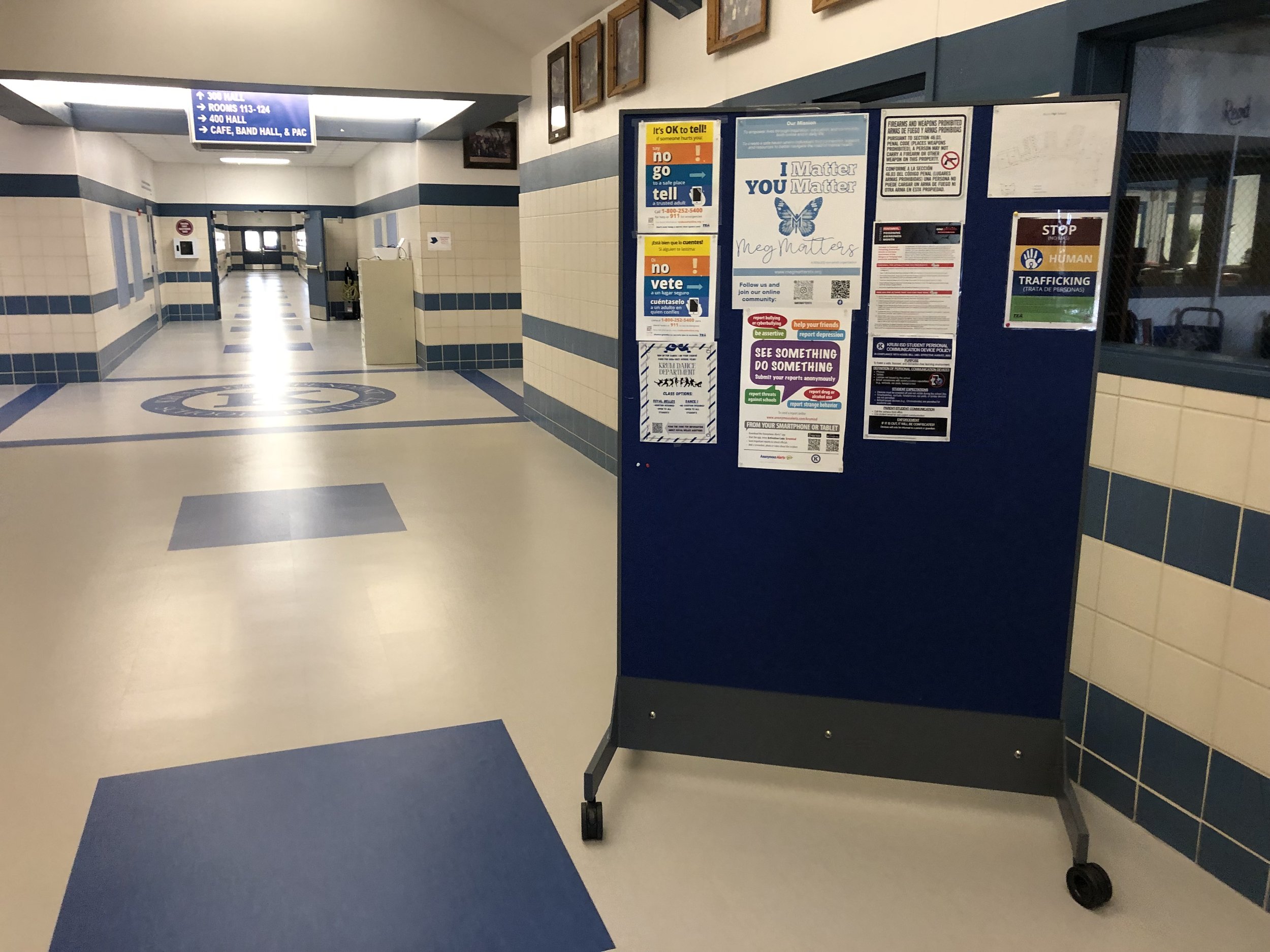
Strategically placed TAG Mobile™ units support everyday communication while remaining immediately accessible as part of a comprehensive school security master plan.
Today's school leaders face an increasingly difficult challenge.
How do you create a safer campus while maintaining an environment where students can learn, teachers can teach, and visitors feel welcome?
For many districts, the question is not whether to invest in school security—it's where to begin.
Budgets are finite. Campuses vary in age and design. Every school has different operational needs, and no single product can address every security challenge.
That is why the most successful districts don't begin with a shopping list.
They begin with a school security master plan.
A comprehensive master plan helps administrators identify vulnerabilities, prioritize investments, coordinate stakeholders, and implement security improvements in phases that provide both immediate protection and long-term value.
Rather than viewing each project independently, a master plan considers how every layer of physical security works together—from the campus perimeter to the classroom.
Depending on the needs of the district, that strategy may include:
Secure entry vestibules
Visitor management systems
Ballistic glass systems
Bullet-resistant wall panels
Mobile ballistic protection
Designated safe rooms
Access control
Emergency communications
Staff training and emergency procedures
Future renovation and capital improvement planning
The goal is not to purchase every available security solution.
The goal is to make thoughtful investments that strengthen protection over time while preserving the welcoming learning environments that define great schools.
This guide walks through the planning process many schools use to prioritize security improvements, helping administrators, architects, facility directors, and school boards understand where investments often provide the greatest long-term value.
Table of Contents
What Is School Security Master Planning?
Start with Understanding Your Campus
Layer One: Secure the Front Entrance
Layer Two: Protect Administrative Offices
Layer Three: Strengthen Hallways and Shared Spaces
Layer Four: Strengthen Classrooms Where Learning Happens
Planning Security Improvements in Phases
Frequently Asked Questions
What Is School Security Master Planning?
A school security master plan is a long-term roadmap that helps districts evaluate existing conditions, identify vulnerabilities, prioritize improvements, and implement physical security measures in a coordinated and financially sustainable manner.
Instead of approaching each security project independently, master planning views the campus as an integrated system where architecture, operations, emergency response, and physical protection work together.
A comprehensive security master plan may evaluate:
Campus entrances and visitor access
Administrative and reception areas
Hallways and student circulation routes
Classrooms and learning spaces
Libraries, cafeterias, and gymnasiums
Exterior gathering areas
Emergency response procedures
Existing building infrastructure
Future renovation opportunities
Available funding sources
The plan should remain flexible. As facilities evolve, enrollment changes, and new funding opportunities become available, districts can continue strengthening security without abandoning their long-term vision.
Many districts also begin this process with a formal security assessment to better understand how people move through the campus, where vulnerabilities exist, and which improvements should be prioritized first.
For schools beginning this journey, understanding the principles of a layered security strategy provides an excellent foundation before making individual purchasing decisions.
Why Every School Needs a Long-Term Security Strategy
One of the biggest mistakes organizations make is purchasing security products one at a time without understanding how they fit into the larger picture.
A school may install security window film one year, add visitor management the next, purchase mobile ballistic protection later, and eventually renovate the front office—yet never develop a coordinated strategy connecting those investments.
Master planning helps avoid this fragmented approach.
Instead of asking:
"What should we buy?"
School leaders begin asking:
"What problem are we trying to solve?"
That shift changes every decision that follows.
Rather than focusing solely on products, districts begin evaluating:
Where unauthorized entry is most likely to occur.
How occupants would respond during an emergency.
Which areas require permanent protection.
Where mobile protection provides the greatest flexibility.
How daily school operations can benefit from dual-use security investments.
Which improvements should be completed immediately and which can be phased into future capital projects.
This planning process also creates stronger collaboration between administrators, architects, security consultants, facility directors, first responders, and school boards—helping every investment contribute to a unified vision for campus safety.
Start with Understanding Your Campus
Before selecting any physical security solution, schools should first understand how people move through the campus every day.
Every building is different.
Some schools operate from a single academic building, while others span multiple campuses with dozens of entry points. Some facilities were built decades ago and require retrofits, while newer schools may already incorporate secure vestibules and controlled access systems.
A comprehensive security assessment typically evaluates:
Primary and secondary entrances
Student and visitor traffic patterns
Reception and administrative offices
Classroom locations
Hallways and major circulation routes
Cafeterias, libraries, and gymnasiums
Outdoor gathering spaces
Emergency evacuation and reunification areas
Existing physical security infrastructure
The objective is to identify where additional layers of protection can provide the greatest benefit while minimizing disruption to everyday learning.
Every campus is unique, which is why the most effective security plans are tailored to each school's layout, operations, and priorities rather than relying on a one-size-fits-all approach.
Prioritize the Most Vulnerable Areas First
One of the biggest misconceptions in school security is that every area requires the same level of protection.
In reality, security improvements are often most effective when they are prioritized based on risk, occupancy, and operational importance.
For many schools, planning begins with the spaces that experience the highest volume of visitors and the greatest potential exposure during the school day.
These often include:
Main entrances
Secure vestibules
Reception areas
Administrative offices
Primary hallways
Classroom corridors
By strengthening these areas first, districts can often improve campus security while creating a foundation for future improvements throughout the building.
Rather than attempting to complete every project simultaneously, many districts adopt a phased implementation strategy that allows security enhancements to expand over time as funding becomes available.
Layer One: Secure the Front Entrance
The front entrance represents one of the most important components of a school's physical security strategy.
Every visitor enters here.
Deliveries arrive here.
Parents check students in and out here.
Staff members greet the community here.
Because of this, many districts begin their security master plans by strengthening the building's primary point of entry.
Common improvements include:
Visitor management systems
Controlled access doors
Secure vestibules
Ballistic glazing
Reinforced reception areas
Access control technology
The goal is to create additional time, improve visibility, and better manage access without making the school feel unwelcoming.
Modern Ballistic Glass Systems allow architects and facility planners to preserve natural light, transparency, and open sightlines while incorporating tested ballistic protection into new construction and renovation projects.
Ballistic Glass Supports Both Security and Design
One reason ballistic glass has become increasingly popular is that it allows schools to strengthen security without sacrificing the open, welcoming environments that support learning.
Common applications include:
Entry vestibules
Reception windows
Administrative offices
Interior office partitions
Conference rooms
Observation areas
Visitor transaction windows
Organizations evaluating ballistic glazing often ask whether security window film provides comparable protection. While both solutions can play an important role in a layered security strategy, they are designed for very different purposes. Learn more in our Ballistic Glass vs. Security Window Film: Understanding the Difference guide.
When incorporated into a layered security strategy, ballistic glass can help delay unauthorized entry while maintaining visibility between staff, visitors, students, and first responders.
Schools evaluating these systems frequently compare ballistic glazing with retrofit products such as security window film before making long-term capital investments.
Layer Two: Protect Administrative Offices
Once visitor access has been addressed, many districts focus on administrative offices.
These spaces often serve as the operational hub of the campus.
Reception staff.
Principals.
Assistant principals.
Counselors.
Campus police.
Administrative personnel.
Because these individuals coordinate emergency response and communicate with first responders, protecting administrative spaces can become an important component of the overall security plan.
Depending on the facility, improvements may include:
Ballistic glass at reception areas
Reinforced transaction windows
Secure office partitions
Controlled access points
Bullet-resistant wall panels
Designated protected workspaces
Rather than relying on obvious security barriers, many modern schools are selecting architectural solutions that integrate seamlessly into everyday operations.
This approach allows administrative areas to remain welcoming while providing an additional layer of protection during emergencies.
As we move beyond the front office, planning shifts toward the spaces where students and staff spend the majority of their day—including hallways, collaboration areas, and classrooms.
Layer Three: Strengthen Hallways and Shared Spaces
Once visitor access and administrative offices have been addressed, many school districts begin evaluating the areas where students, teachers, and staff spend the majority of their day.
Hallways are much more than corridors connecting classrooms.
They serve as primary circulation routes, transition spaces between classes, gathering areas before and after school, and access points to libraries, cafeterias, gymnasiums, and other shared learning environments.
Because so many people move through these spaces every day, thoughtfully strengthening hallways can become one of the most effective long-term investments within a comprehensive school security master plan.
Rather than introducing highly visible security equipment, many schools are selecting architectural solutions that blend naturally into the learning environment while remaining immediately accessible when needed.
The objective is simple:
Improve preparedness without changing the character of the school.
Layer Three: Strengthen Hallways and Shared Spaces
Once visitor access and administrative offices have been addressed, many school districts begin evaluating the areas where students, teachers, and staff spend the majority of their day.
Hallways are much more than corridors connecting classrooms.
They serve as primary circulation routes, transition spaces between classes, gathering areas before and after school, and access points to libraries, cafeterias, gymnasiums, and other shared learning environments.
Because so many people move through these spaces every day, thoughtfully strengthening hallways can become one of the most effective long-term investments within a comprehensive school security master plan.
Rather than introducing highly visible security equipment, many schools are selecting architectural solutions that blend naturally into the learning environment while remaining immediately accessible when needed.
The objective is simple:
Improve preparedness without changing the character of the school.
Everyday Function Creates Everyday Value
One of the biggest challenges with traditional security equipment is that it often remains stored until an emergency occurs.
While this equipment may be effective when deployed, it contributes little to the daily operation of the school.
Modern school security planning increasingly focuses on investments that provide value every day.
The photograph above illustrates this philosophy perfectly.
Rather than serving only as emergency equipment, the TAG Mobile™ Bulletproof Mobile Whiteboard has become part of everyday campus life.
Its tackable acoustic panel is being used to display:
Student announcements
Campus resources
Anti-bullying information
Human trafficking awareness materials
School communications
Educational messaging
Every day, students and staff interact with the unit as part of the normal learning environment.
Should an emergency occur, that same unit remains immediately accessible without requiring anyone to retrieve equipment from another location.
This dual-purpose approach allows schools to maximize the value of every security investment while supporting both education and preparedness.
To learn more about how mobile ballistic protection supports daily instruction, explore What Is a Bulletproof Whiteboard? The Complete Guide.
Permanent Protection That Becomes Part of the Building
Not every security improvement needs to move.
Many schools also incorporate permanent ballistic protection directly into classrooms, hallways, administrative offices, and collaboration spaces.
One example is Titan WallShield™ Bullet-Resistant Wall Panels.
Unlike traditional concealed ballistic wall systems installed behind drywall, WallShield™ combines permanent protection with a functional dry-erase collaboration surface that supports teaching, brainstorming, and student engagement every day.
Teachers gain additional writing space.
Students gain more opportunities for collaboration.
Facility managers strengthen the building without introducing visible tactical equipment.
This approach allows architects and school districts to integrate protection directly into the built environment while preserving the clean, welcoming appearance expected in modern educational facilities.
As discussed in What Is a Bulletproof Wall Panel? The Complete Guide, today's bullet-resistant wall systems are increasingly designed to contribute to everyday learning rather than simply waiting for emergencies.
Shared Spaces Require Flexible Planning
Beyond classrooms and hallways, schools also evaluate common areas where large numbers of students gather throughout the day.
These spaces may include:
Libraries
Cafeterias
Media centers
Innovation labs
Student collaboration areas
Multipurpose rooms
Learning commons
Because these environments often support a wide variety of activities, flexibility becomes an important consideration.
Many districts look for security solutions that can adapt alongside changing educational needs without reducing the usefulness of the space.
Dual-purpose products, permanent architectural protection, and thoughtful building design all contribute to creating environments that remain open, collaborative, and resilient.
Layer Four: Strengthen Classrooms Where Learning Happens
Every classroom is unique.
Some serve early elementary students.
Others support science laboratories, art programs, special education, career and technical education, or advanced placement courses.
Regardless of their purpose, classrooms remain where students and teachers spend the majority of the school day.
For this reason, many districts eventually expand their security master plan beyond entrances and common areas to include classroom protection.
Rather than introducing equipment that changes the educational experience, many schools are choosing solutions that contribute to instruction every day while remaining immediately available if needed.
This philosophy reflects one of the central principles of modern school security:
The best protective equipment is often the equipment already being used.
Protection Should Never Compete with Education
Successful school security planning is not measured by how much equipment is visible.
It is measured by how effectively protection supports learning without becoming the focus of the learning environment.
The most successful campuses continue to feel like schools.
Students collaborate.
Teachers teach.
Hallways remain bright and welcoming.
Visitors experience professional, thoughtfully designed spaces.
Behind that experience, however, is a carefully coordinated master plan that considers how every layer of physical security contributes to protecting the people inside.
That is what separates a collection of security products from a true school security master plan.
Planning Security Improvements in Phases
One of the greatest advantages of developing a school security master plan is that it allows districts to improve safety over time rather than attempting to complete every project at once.
Every school operates within budget constraints, capital improvement schedules, and competing priorities.
A phased approach allows administrators to prioritize the areas that present the greatest opportunity to improve safety while creating a roadmap for future investments.
Although every campus is different, many districts follow a progression similar to this:
Phase One
Strengthen visitor access through:
Secure vestibules
Access control
Visitor management systems
Reception area improvements
Phase Two
Enhance administrative areas with:
Ballistic glazing
Protected transaction windows
Secure workspaces
Phase Three
Expand protection throughout the campus by strengthening:
Hallways
Classroom corridors
Libraries
Cafeterias
Shared learning spaces
using permanent architectural protection and strategically placed TAG Mobile™ Bulletproof Mobile Whiteboards.
Phase Four
Evaluate designated protected spaces and safe rooms that support emergency planning, continuity of operations, and long-term campus resilience.
Each phase builds upon the previous one, creating multiple layers of protection while allowing districts to align improvements with available funding and future capital projects.
Security Begins Before Someone Reaches the Front Door
A comprehensive school security master plan extends beyond the walls of the building.
Many districts are also evaluating how the campus perimeter can contribute to overall safety before a visitor ever reaches the entrance.
Depending on the facility and operational requirements, perimeter improvements may include:
Controlled vehicle access
Hardened security gates
Bullet-resistant sliding gates
Reinforced perimeter fencing
Ballistic fencing for specialized applications
Crash-rated security bollards
Vehicle barrier systems
Emergency access routes
These measures help define campus boundaries, improve vehicle control, and create additional layers of protection as part of a comprehensive security strategy.
While interior security remains the primary focus of this guide, perimeter hardening often becomes an important component of long-term campus master planning—particularly for new construction, major renovations, and high-profile facilities.
Every Campus Has Different Priorities
There is no universal checklist that works for every school.
A rural elementary school, an urban high school, a charter school, and a university campus all face different operational challenges and security considerations.
That's why successful master planning begins with understanding the campus—not with selecting products.
Questions that often guide the planning process include:
Where do visitors enter the campus?
Which areas experience the highest daily traffic?
How do students move throughout the building?
Where are the most vulnerable spaces?
Which improvements provide the greatest daily value?
How can future renovations support today's security goals?
Which projects should be completed first?
How can multiple layers work together?
By answering these questions early, schools can develop security strategies that remain effective for many years while adapting to changing educational needs.
School Security Is an Investment in Learning
The purpose of school security is not simply to protect buildings.
It is to protect the people, relationships, and learning experiences that take place inside them every day.
When thoughtfully planned, physical security becomes part of the educational environment rather than something that distracts from it.
Students continue learning.
Teachers continue teaching.
Parents continue feeling welcome.
Administrators continue leading.
Security quietly supports all of those experiences.
The strongest campuses are rarely defined by how much security people notice.
They are defined by how intentionally protection has been integrated into the spaces where education happens every day.
Frequently Asked Questions
What is a school security master plan?
A school security master plan is a long-term strategy that helps districts prioritize physical security improvements, evaluate campus vulnerabilities, coordinate stakeholders, and implement projects in phases that support both immediate needs and future growth.
Where should schools invest first?
Every campus is different, but many districts begin by strengthening:
Main entrances
Secure vestibules
Reception areas
Administrative offices
before expanding into hallways, classrooms, common areas, and designated protected spaces.
Should every classroom have ballistic protection?
Every district should evaluate its own building layout, educational mission, emergency procedures, and security objectives before determining where ballistic protection will provide the greatest benefit.
Can existing schools be upgraded without major renovations?
Yes.
Many modern ballistic protection systems are designed for retrofit applications, allowing schools to strengthen existing buildings without requiring complete reconstruction.
What is layered school security?
Layered security combines multiple physical, operational, and procedural measures that work together to improve campus safety.
Rather than relying on one product, districts evaluate how entrances, ballistic glass, wall panels, mobile protection, safe rooms, emergency procedures, and staff training complement one another.
How often should a school security master plan be updated?
Security planning should be reviewed periodically as campuses expand, facilities are renovated, technology evolves, and new funding opportunities become available.
Explore Additional School Security Resources
Continue learning with these Titan Armored guides:
School Planning
Physical Protection
Architects & Facility Planning
Conclusion: Building Safer Schools Through Thoughtful Planning
Creating a safer school does not happen through a single purchase or isolated project.
It happens through thoughtful planning.
A comprehensive school security master plan helps districts evaluate risks, prioritize investments, strengthen facilities over time, and integrate physical protection into the daily life of the campus.
Whether that plan includes Ballistic Glass Systems, Titan WallShield™ Bullet-Resistant Wall Panels, TAG Mobile™ Bulletproof Mobile Whiteboards, designated safe rooms, or future perimeter improvements, each layer contributes to a safer, more resilient educational environment.
The goal is not to make schools feel different.
The goal is to help them remain places where students feel welcome, teachers can focus on instruction, and communities have confidence that safety has been thoughtfully considered.
At Titan Armored, we believe the best security solutions are the ones that support education every day while remaining ready when they are needed most.
If your district is beginning a security assessment, planning a renovation, or developing a long-term campus security strategy, our team is here to help.